Article
3 min read
Why small companies can win the AI talent war
Author
Kim Cunningham
Published
January 27, 2026

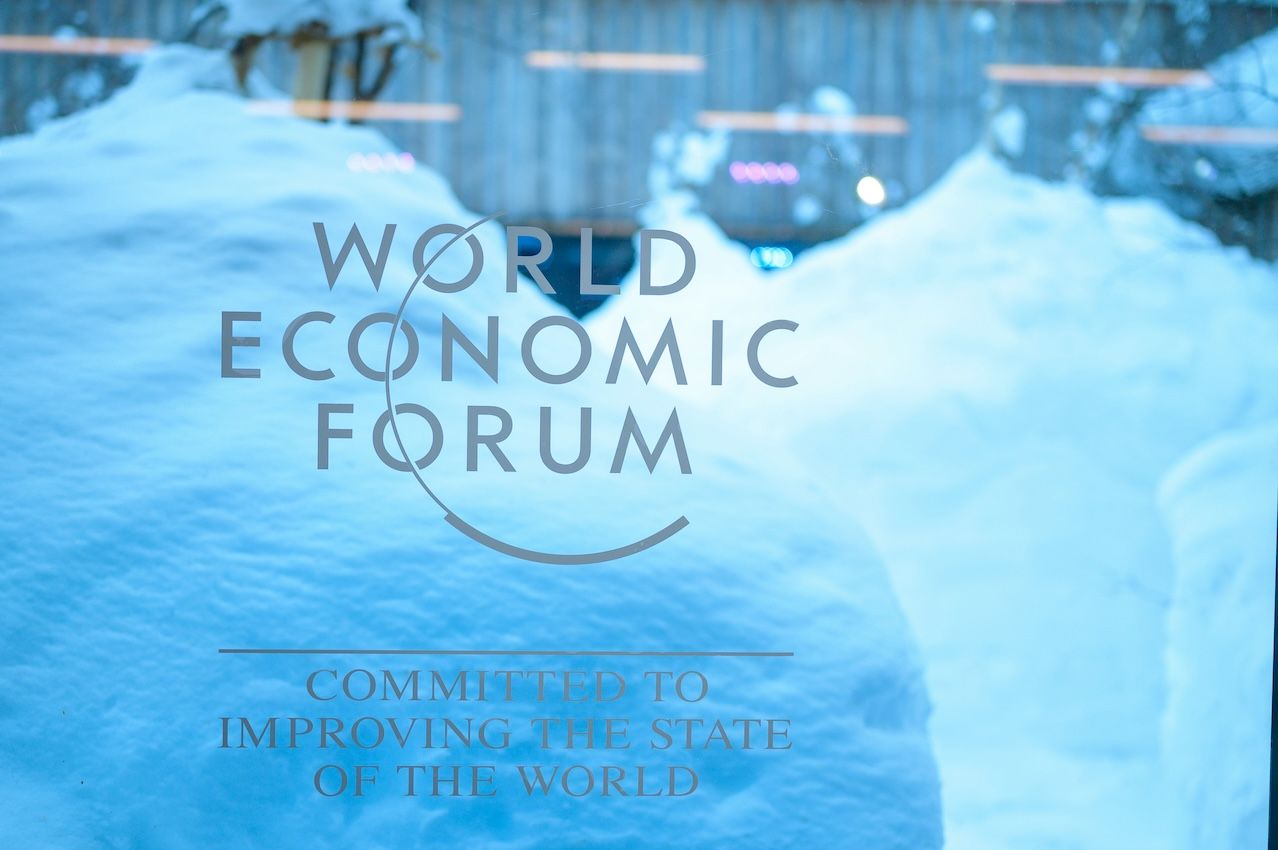
At the World Economic Forum’s 2026 annual meeting in Davos, conversations about artificial intelligence dominated the agenda. But beneath the usual debates about capabilities and risks, a different narrative emerged: AI might actually be democratizing access to talent rather than concentrating it among tech giants. We spoke with Joe Kauffman, President and CFO at Deel, about what he heard at Davos, and why smaller companies might have more opportunity in the AI era than conventional wisdom suggests.
This year’s WEF theme was “A Spirit of Dialogue” with a focus on investing in people, but AI anxiety dominated most conversations. How did those two things intersect?
The theme of investing in people took on a completely new meaning this year. Every conversation eventually turned to the role of humans alongside advancing AI.
What struck me was that "investing in people" has become fundamentally about access and who actively creates it. There's a real tension here: If access to AI models becomes prohibitively expensive, it risks concentrating power rather than distributing it. That's precisely why workforce investment now means actively widening access to AI skills and tools, not assuming the market will distribute them fairly on its own.
There was considerable talk about geopolitical fragmentation at Davos. Did you see that playing out in how companies think about talent and hiring?
That’s what was fascinating. The fragmentation narrative didn’t extend to global businesses or the local governments supporting them. I spoke with government officials and company leadership teams across different industries, and everyone was focused on accessing global talent pools. There was a universal recognition that talent doesn’t respect geopolitical boundaries the way policymakers sometimes wish it did. The companies that will win in AI aren’t the ones responding to fragmentation fears. They’re the ones building global teams despite it.
You’ve argued that AI is democratizing talent access rather than concentrating it among tech giants. Can you expand on that?
Fortune 500 companies have always had AI strategies, but what’s changed is that now SMBs and mid-market companies are feeling the same urgency. There’s a global talent crunch, and data presented at Davos showed 72% of employers worldwide struggle to find skilled talent, making the question of where you can hire more critical than ever. The problem they all face immediately is that they cannot compete with tech giants for Silicon Valley talent.
What often gets overlooked is that for many companies, especially outside major tech hubs, this isn’t primarily a cost story, but an access story. They don’t have AI talent available in their local markets at any price. Global hiring solves the access problem first. The cost advantage is a bonus, but the real unlock is being able to hire the expertise at all.
Yet the talent pools in countries all over the world are relatively untapped, and that creates democratization of access to AI capabilities. You don’t need $100,000 H-1B visas or $100 million acqui-hires to build on AI anymore. Small and medium-sized companies can hire top engineers anywhere and avoid getting left behind in the AI revolution.
Think about companies like Lovable that are democratizing coding itself by making it easier for people without computer science backgrounds to build software. There’s a parallel democratization happening in talent access. Companies that previously couldn’t compete are now able to access the expertise they need to implement AI strategies and ultimately, be more productive and grow globally.
Kim Cunningham leads the Deel Works news desk, where she’s helping bring data and people together to tell future of work stories you’ll actually want to read.
Before joining Deel, Kim worked across HR Tech and corporate communications, developing editorial programs that connect research and storytelling. With experience in the US, Ireland, and France, she brings valuable international insights and perspectives to Deel Works. She is also an avid user and defender of the Oxford comma.
Connect with her on LinkedIn.