Global Work Glossary
- Results for "undefined"
Table of Contents
What is a payout?
Types of payouts
How payouts work
Payout methods, timing, and fees
Deel payout solutions
Payout ratio (finance definition)
Key facts
Example
FAQ
Payout
A payout is the transfer of money or assets from an organization to a recipient, delivered as cash, bank transfer, crypto, stock, or other agreed form. Payouts are the final step in fulfilling a financial obligation — whether that is a salary, dividend, insurance claim, or contractor payment.
Payouts can be one-time lump sums or recurring distributions, and they may be delivered through a range of methods depending on the agreement, country, and platform.
What is a payout?
A payout is any disbursement of funds or assets from a payer — such as a company, insurer, investment fund, or platform — to a recipient like an employee, contractor, policyholder, investor, or vendor. The exact method, timing, and tax treatment depend on the agreement between the parties, local regulations, and the payer's chosen payout infrastructure.
Payouts matter because they affect cash flow, tax reporting, employee experience, and regulatory compliance. For businesses operating globally, payout strategy must balance speed, cost, local currency access, and compliance across jurisdictions. From Deel's perspective, payout solutions should be transparent, compliant, and flexible — supporting local payment rails, multiple currencies, and various delivery methods so organizations can pay teams and partners quickly and legally across borders.
Types of payouts
Payroll and salary payouts Regular payments to employees for work performed during a pay period. Delivered via bank transfer or direct deposit on a set schedule (weekly, biweekly, monthly). Payroll payouts include tax withholdings and benefit deductions.
Contractor payouts Payments to independent contractors or freelancers for completed work. Typically triggered by an invoice and delivered via bank transfer, local payment rails, or e-wallet. No tax withholding by the payer in most jurisdictions.
PTO and leave payouts Payments for accrued but unused paid time off, usually triggered at termination or as part of company policy. Rules vary by state and country.
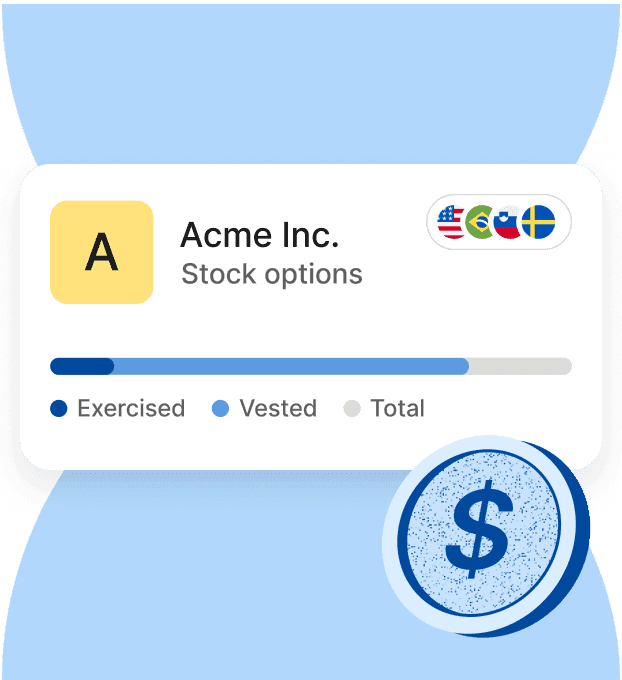
Equity and token payouts Distribution of company stock, stock options, or tokens to employees or stakeholders. May be part of compensation packages or vesting schedules. See Deel's Equity and Token Services.
Crypto payouts Payments delivered in cryptocurrency. Available on some platforms and in some jurisdictions. Crypto payouts carry volatility and regulatory considerations and are only offered where compliant.
Insurance payouts Lump-sum or installment payments from an insurer to a policyholder or beneficiary following an approved claim. Common for health, life, disability, and property insurance.
Dividend payouts Distributions of a company's profits to shareholders, typically on a quarterly or annual basis. The payout ratio (dividends divided by net income) measures what share of earnings is returned to investors.
How payouts work
Obligation is triggered. A payroll cycle runs, an invoice is approved, a claim is settled, or a dividend is declared.
Payout method is selected. The payer chooses or the recipient specifies a delivery method — bank transfer, local ACH, e-wallet, crypto, check, or equity instrument.
Funds are processed. The payer's platform or bank initiates the transfer. For cross-border payouts, currency conversion may occur at this step.
Recipient receives funds. Timing depends on the method and corridor — from instant (some e-wallets and crypto) to several business days (cross-border bank transfers).
Recording and compliance. The payer records the payout for accounting, issues required tax forms, and retains documentation for compliance.
Payout methods, timing, and fees
Bank transfer (domestic): 1–2 business days. Fees are typically low or free depending on the bank and country.
Local payment rails (ACH, SEPA, Faster Payments): Minutes to 2 business days. Often the cheapest option for domestic payouts.
E-wallets (PayPal, Wise, etc.): Instant to 1 business day. May charge a percentage-based or flat fee per transfer.
Cross-border bank transfer (SWIFT): 2–5 business days. Fees include wire charges, intermediary bank fees, and FX spreads.
Cryptocurrency: Minutes to hours for on-chain confirmation. Fees depend on network congestion. Regulatory and volatility considerations apply.
Check: 5–10 business days including mail delivery. Increasingly uncommon for business payouts.
Deel payout solutions
Deel processes payouts using local payment rails, bank transfers, and supported alternatives to help companies pay contractors and employees across 150+ countries:
Local bank transfers: Deel routes payments through domestic clearing systems in the recipient's country to reduce fees and speed up settlement.
Multiple currencies: Pay recipients in their local currency to avoid FX delays and give workers predictable income.
Flexible methods: Recipients can choose their preferred payout method based on availability in their country.
Compliance built in: Deel handles tax documentation, reporting, and regulatory requirements for each payout jurisdiction.
Equity and Token Services: Manage equity grants, vesting schedules, and token distributions for global teams.
Payout ratio (finance definition)
In corporate finance, the payout ratio is the percentage of a company's net earnings distributed to shareholders as dividends.
Formula: Payout ratio = Dividends paid ÷ Net income
Example: A company earns $10 million in net income and pays $3 million in dividends. The payout ratio is 30%.
What it signals: A high payout ratio means more earnings are returned to shareholders. A low ratio means the company is retaining more earnings for reinvestment. Investors use payout ratio to evaluate dividend sustainability and growth potential.
Key facts
Common methods: Bank transfer, local ACH or e-wallet, check, crypto (where accepted), and equity or token issuance.
Timing: Instant to same-day for some local rails and crypto. Up to several business days for cross-border bank transfers.
Fees: May include transfer fees, FX spreads, and platform processing fees depending on the method and corridor.
Tax implications: Payouts may trigger tax and reporting obligations — payroll withholding, dividend reporting, or claim settlement documentation.
Payout ratio: Dividends divided by net income. Measures what share of earnings is returned to shareholders.
Example
A U.S.-based company hires a contractor in Brazil and issues monthly payouts via a local bank transfer. The payment clears in 1–3 business days and is paid in BRL to avoid FX delays. The company records the payout for accounting and issues required tax forms in both countries.
FAQ
What is a payout? A payout is the transfer of funds or assets from a payer to a recipient, such as a salary, dividend, insurance claim, or contractor payment.
How does Deel pay out contractors and employees? Deel processes payouts using local payment rails, bank transfers, and supported alternatives like e-wallets or tokens. The exact method depends on the country and the recipient's chosen payout option.
Can I receive a payout in cryptocurrency? Some platforms and countries support crypto payouts. Crypto payouts carry volatility and regulatory considerations and are only offered where compliant and supported by the payer.
What is a payout ratio? In finance, the payout ratio is the percentage of a company's earnings paid out as dividends — calculated as dividends divided by net income.
How long do payouts take? Timing depends on the method and country. Some local rails and e-wallets are instant or same-day. Cross-border bank transfers typically take 2–5 business days.
Equity & Token Services
Providing global teams with equity has never been simpler