
Article
12 min read
5 Ways to Reduce IT Costs in 2026
IT & device management

Author
Dr Kristine Lennie
Last Update
November 28, 2025

Table of Contents
1. Standardize your device fleet
2. Extend device lifecycles with proactive maintenance and planned refresh cycles
3. Reduce IT asset loss through better tracking and retrieval workflows
4. Shift to on-demand equipment procurement instead of overstocking
5. Consolidate global IT operations with centralized device management
Tips for optimizing your budget in 2026
Minimize IT costs with Deel IT
Key takeaways
- IT equipment costs are often driven up by fragmented processes and inconsistent procurement, management, and device lifecycle workflows.
- In 2026, HR, IT, and Finance teams must ensure equipment spend remains predictable and efficient without compromising employee productivity.
- Deel IT helps businesses cut their IT equipment costs by streamlining procurement, logistics, storage, and device lifecycle management.
For most companies, rising IT hardware costs are no longer the biggest problem. The real issue is fragmentation. In the last decade, IT operational spend has climbed roughly 3% annually, fueled by disconnected vendors, inconsistent workflows, and regional silos.
Procurement happens in one system, repairs in another, storage is tracked in spreadsheets, and retrieval depends on local workarounds. No one has full visibility, and small inefficiencies accumulate quickly across global teams.
A unified IT operations model like Deel IT eliminates these gaps by centralizing procurement, logistics, inventory, refresh cycles, and returns into a single workflow.
Here are five ways companies can reduce IT costs in 2026 by shifting from fragmented processes to unified lifecycle management.
1. Standardize your device fleet
One of the most effective ways to reduce operational overhead is by standardizing and streamlining your device fleet.
How lack of standardization drives up costs
A fragmented device fleet might seem manageable when a business is small. But as you scale, inconsistency becomes increasingly expensive. Without standardized hardware and configurations, costs accumulate in ways that compound over time:
- IT teams have to troubleshoot avoidable issues: When every employee has different hardware, OS versions, or configurations, IT must diagnose problems case by case, draining resources, slowing ticket resolution, and increasing operational burden
- Overspending on hardware due to inconsistent provisioning or defaulting to expensive high-spec devices: Without standard guidelines, devices are often over-specified, purchased ad hoc, or duplicated unnecessarily, leading to inflated per-employee hardware costs
- Fragmentation complicates vendor management, and prevents economies of scale: Managing multiple vendors, models, accessories, and service agreements introduces inefficiencies and prevents negotiating volume pricing
- Finance cannot forecast hardware costs or plan long-term budgets: Without consistent device standards, purchasing becomes reactive and unpredictable, making it difficult to align procurement with depreciation and forecast upcoming refresh cycles
Unsure how to choose the right equipment for different teams? Read our guide on how to choose IT equipment for any role.
How to implement device fleet standardization
There are several steps you can take to transition smoothly to a standardized device fleet:
- Conduct a fleet audit: Identify redundant models, outdated devices, and unnecessary variability to understand where waste and avoidable costs come from
- Establish a centralized procurement policy: Use the audit insights to create a consistent buying process and align device choices with typical role needs
- Define a standardized approved device list: Create a catalog of pre-approved, role-appropriate devices that reduce variability, simplifies procurement, and optimizes IT support
- Implement bulk purchasing practices: Take advantage of economies of scale to reduce hardware costs
Download our best-practice IT policy template for global teams.
2. Extend device lifecycles with proactive maintenance and planned refresh cycles
Once you have the devices you need, proactive monitoring and regular maintenance ensure their lifespans are extended for as long as possible.
How reactive maintenance drives up costs
Here are some of the ways reactive maintenance can increase spend and lead to unnecessary hardware replacement:
- Devices fail sooner and require premature replacements: Without proactive maintenance, small issues compound into major failures that shorten device lifespan and increase hardware spend
- IT teams handle more preventable incidents: Reactive troubleshooting turns minor maintenance tasks into urgent tickets, increasing IT workload and slowing productivity across the business
- Unplanned failures lead to costly, last-minute purchases: When devices break unexpectedly, companies lose the ability to budget, negotiate pricing, or follow refresh cycles
How to implement effective device lifecycle practices
To keep devices performing longer and reduce hardware spend, establish the following practices:
- Perform routine OS updates, component upgrades, and battery replacements: Regular maintenance can extend device lifespan from 2–3 years to 4–5+ years, delaying costly replacements
- Encourage a “repair-first” protocol: Prioritize repairs over replacements to reduce unnecessary device turnover and avoid premature purchases
- Use device-health analytics: Track indicators such as battery health, system performance, and hardware alerts to predict failures before they happen and reduce expensive downtime
- Adopt a structured refresh cycle: Set a clear baseline (e.g., four years by default) with exceptions only for performance-critical roles, ensuring predictable and controlled hardware spend
Read also: Best Laptops for Remote Workers in 2026.
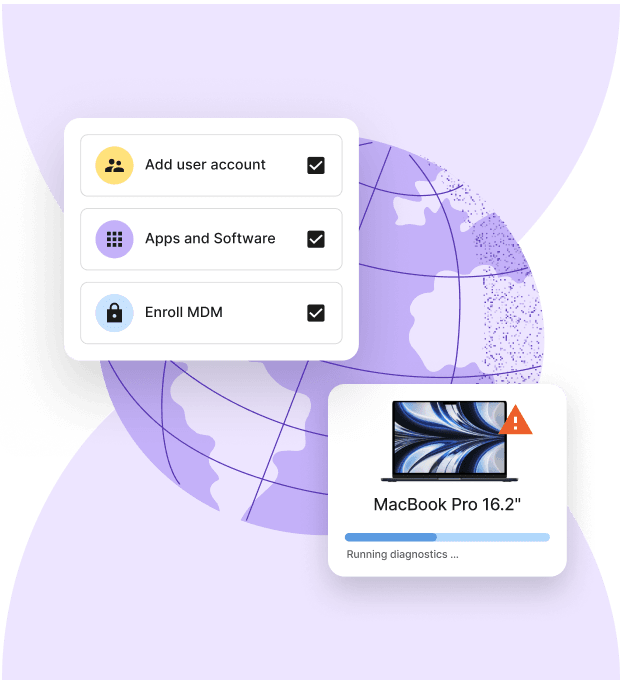
Device Lifecycle Management
3. Reduce IT asset loss through better tracking and retrieval workflows
Another source of unnecessary IT spend is device loss caused by inconsistent tracking and retrieval practices. This problem becomes even more common in distributed and remote teams, where international or long-distance shipping is part of the routine and devices move across multiple locations and hands.
How poor tracking and retrieval workflows drive up costs
Failing to properly track and retrieve devices can increase costs in several ways:
- Devices go missing or are never returned: Weak tracking and unclear ownership lead to lost hardware, forcing companies to purchase replacement devices unnecessarily
- Inefficient return or retrieval workflows drive up hardware and logistics costs: Failed pickups, slow processing, and cross-border issues leave devices missing or idle, raising shipping costs and prompting new purchases
- Slow device delivery causes employee downtime: Late or failed shipments leave employees without working hardware, delaying onboarding and disrupting daily operations
- Administrative workload: When tracking systems are inconsistent, IT teams spend time chasing employees, shipping partners, and device statuses, diverting effort from higher-value work and slowing overall operations
How to implement efficient tracking and retrieval workflows
To reduce device loss, lower logistics spend, and minimize downtime, put the following measures in place:
- Introduce structured check-in/check-out processes: Establishing clear ownership at every stage reduces loss and eliminates ambiguity around hardware responsibility
- Use asset tags, serial logs, and Mobile Device Management (MDM)-based tracking: Maintaining real-time visibility into device status and location improves recovery rates and prevents unnecessary replacements
- Create a standardized return workflow: Consistent steps for packaging, shipping, receiving, and redeploying devices minimizes delays, reduces idle inventory, and improves return efficiency
- Integrate automated notifications and return service level agreements (SLAs) into offboarding: Embedding deadlines, reminders, and clear shipping instructions into offboarding ensures faster, more reliable device returns and reduces both downtime and logistics costs
Find out more with IT Asset Tracking: A Complete Guide to Smarter Device Management.
4. Shift to on-demand equipment procurement instead of overstocking
A common source of unnecessary IT spend is overstocking, i.e., holding more devices than you actually need. Moving to an on-demand procurement model helps prevent excess inventory and reduces wasted spend.
How overstocking drive up costs
Though not immediately obvious, overstocking creates avoidable costs across procurement, storage, and device lifecycle management. Here is how:
- Unused devices depreciate before they’re deployed: Overstocked laptops and accessories can sit idle for months, losing value and becoming outdated before being assigned to an employee
- Storage and handling fees add up: Maintaining excess inventory requires physical space, ongoing management, and security, all of which create recurring costs with no productivity benefit
- Procurement budgets are locked in unnecessary stock: Money spent on surplus hardware limits the ability to invest in devices employees actually need, increasing the likelihood of future last-minute purchases at higher prices
- Forecasting becomes less accurate: When teams buy “just in case,” procurement loses visibility into true demand, making it harder to plan, negotiate pricing, or manage refresh cycles effectively
How to implement on-demand equipment procurement
To introduce on-demand equipment procurement, consider the following approaches:
- Use hiring forecasts, contractor cycles, and seasonal trends to guide purchasing: Align orders with real demand so inventory reflects actual workforce needs rather than estimates
- Prioritize redeployment before purchasing new devices: Refurbish and reassign returned hardware first to reduce the need for new purchases and keep inventory lean
- Eliminate excess hardware storage: Minimizing on-hand inventory lowers storage expenses and prevents devices from losing value before they’re deployed
- Work with vendors who offer fast, predictable delivery: Reliable delivery windows make on-demand procurement possible without keeping extra devices in storage
- Shift to real-time ordering workflows integrated with IT and HR processes: Trigger purchases automatically during onboarding, offboarding, or role changes to ensure devices arrive only when they are truly needed
Find out how to safely ship laptops and IT equipment internationally.
5. Consolidate global IT operations with centralized device management
Managing global teams without central oversight leads to inconsistent processes, duplicated work, and higher support costs. By using a single device-management platform, teams can deploy, track, and support devices consistently across all locations.
How fragmented device management drive up costs
When IT operations aren’t consolidated, businesses can incur unnecessary expenses in several ways:
- Multiple local vendors increase complexity and cost: Regional suppliers create inconsistent pricing across locations and require extra admin effort to manage
- Disjointed tools and systems reduce visibility and increase errors: When regions rely on separate platforms, IT loses a single source of truth, resulting in duplicated effort, misalignment, and preventable mistakes
- Uneven policies across regions lead to unpredictable spend: Without global standards, teams may overprovision in some locations and underutilize devices in others, making it harder to control costs or plan budgets
- Non-standardized support processes slow down IT and raise costs: Different regional workflows for deployment, repairs, and replacements make troubleshooting inconsistent and more time-consuming
How to implement centralized device management
To centralize your device management, consider the following steps:
- Create a unified global device policy: Establish consistent standards for device selection, security, and support to reduce variability and eliminate process-related delays and support tickets
- Consolidate hardware operations into one system: Centralizing procurement, repairs, replacements, and returns eliminates regional silos and streamlines day-to-day IT work
- Centralize inventory tracking: Having one source of truth for device status and ownership reduces loss, improves accountability, and enables accurate budgeting and forecasting
- Use central oversight to strengthen lifecycle planning and compliance: Unified control supports consistent refresh cycles, enforces standardization, and ensures global alignment with security and regulatory requirements.
Find out also how to streamline IT service delivery for global teams.
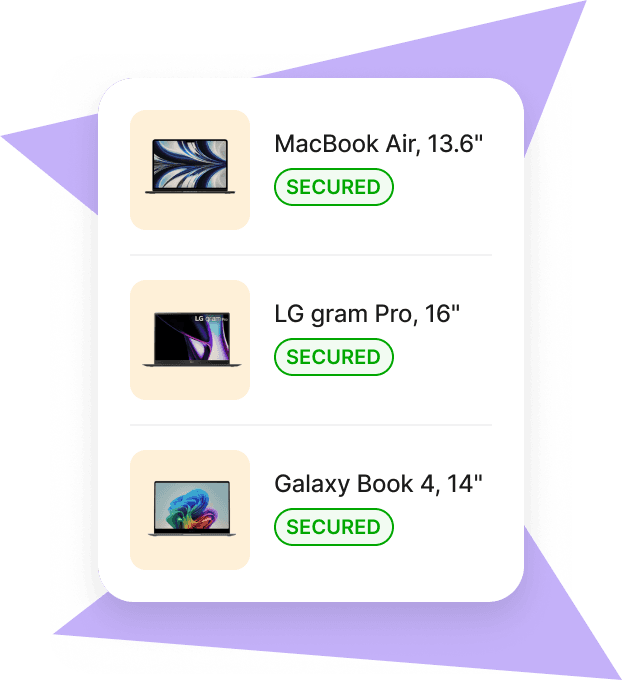
Mobile Device Management
Tips for optimizing your budget in 2026
Below is a breakdown of the most impactful strategies for optimizing IT budgets in 2026, and how Deel can help teams put them into practice effectively:
| Focus area | What to do | Why it matters | How Deel supports this |
|---|---|---|---|
| Implement role-based device provisioning | Match device types to job needs instead of defaulting to high-cost models. | Prevents overspending by aligning hardware with real performance requirements. | Procure the right IT equipment for any role from our 240+ item catalog, standardizing devices for your global workforce. |
| Set clear device ownership and accountability policies | Define responsibilities for device care and timely returns. | Reduces device loss, damage, and untracked inventory, which are major cost drivers for distributed teams. | Deel’s global tracking provides real-time visibility and accountability, and its retrieval workflows help recover devices safely and on time. |
| Use analytics to forecast future hardware needs | Use hiring trends, turnover, and refresh-cycle data to plan procurement. | Prevents overbuying and helps teams budget accurately for future hardware needs. | Deel’s all-in-one platform tracks warranties, status, and upcoming refresh needs, enabling better planning. |
| Optimize shipping and logistics workflows | Streamline shipping routes and reduce unnecessary international shipments. | Cuts one of the biggest hidden expenses in IT budgets, especially with global teams. | Deel leverages a worldwide logistics network to ship and retrieve devices efficiently and cost-effectively. |
| Streamline offboarding to prevent device loss | Ensure device-return steps trigger automatically during offboarding. | Lost devices are one of the most common sources of unnecessary hardware spend. | Deel ensures devices are returned through automated global retrieval workflows, complete with tracking, courier coordination, and chain-of-custody, alongside secure data wiping and device locking. |
| Consolidate and reduce storage locations | Minimize corporate storage units in favor of centralized management. | Reduces storage fees and keeps inventory visible, up-to-date, and redeployable. | Deel stores, tracks, refurbishes, and redeploys devices across global facilities. |
Minimize IT costs with Deel IT
Deel IT enables businesses to streamline device procurement, management, and tracking by bringing every part of the hardware lifecycle into one centralized system. Standardize your equipment globally, reduce lost devices, and remove the burden of managing regional vendors or maintaining local storage. With Deel, distributed teams stay equipped, aligned, and cost-efficient, no matter where they work.
With Deel IT, companies unlock:
- Fast global delivery: Ship laptops and accessories to employees in 130+ countries, with customs, taxes, and local logistics fully handled
- Consistent global pricing and vendor consolidation: Deel’s centralized system removes the complexity of managing multiple local vendors and reduces regional price fluctuations, simplifying budgeting and long-term planning
- Streamlined procurement: Choose from a 240+ item catalog of high-quality, standardized laptops and accessories available in a range of specs and price points
- On-demand equipment delivery worldwide: Order and ship devices directly to employees when needed, eliminating the cost and risk of storing extra inventory across multiple locations
- Centralized device management at scale: Manage procurement, shipping, delivery, storage, retrieval, and redeployment from a single global platform, reducing operational complexity and lowering IT spend
- Reliable, end-to-end global retrieval: Retrieve, track, and process returned devices, cutting replacement costs caused by lost or unreturned equipment
Book a demo can help you cut IT equipment costs, reduce complexity, and centralize your entire device lifecycle
Deel IT

FAQs
What does equipment cost include?
Equipment cost depends on several factors, such as your company’s size, the roles you’re supporting, and the specific hardware and accessories your teams need. In general, this includes the price of the device itself (like a laptop, monitor, or peripheral) along with any setup, configuration, or security software required. It may also cover shipping, taxes, customs fees, and ongoing needs such as repairs, replacements, and device returns.
Read also: Top 6 IT Essentials Every New Hire Needs on Day One.
How much do IT services cost per month?
Determining IT costs is not straightforward, as pricing can vary depending on your business size, the number of devices or employees supported, and the level of service required. Basic needs, such as help desk support, device management, and software provisioning, tend to be lower-cost, while more advanced services like global coverage, 24/7 support, enhanced security, or full device lifecycle management sit at higher price points. Your geographic footprint, expected response times, and the specific services included will all influence the final monthly cost.
To estimate your monthly IT costs, start by calculating your per-employee or per-device needs and multiplying them by the services required for each group. Then factor in any additional costs for global coverage, accelerated support, or specialized security and compliance needs.
What is the 1% rule for maintenance?
The 1% rule for maintenance is a simple budgeting guideline that suggests setting aside about 1% of an asset's purchase price each year for ongoing maintenance and repairs. For example, if a device or piece of equipment cost $2,000, you would budget roughly $20 annually to keep it in good working condition. It’s not a precise formula, as actual costs can vary depending on usage, age, and asset type, but it provides a straightforward baseline for planning maintenance expenses.
How to reduce equipment maintenance costs?
There are several strategies you can use to reduce equipment maintenance costs. The first step is proactive care, i.e., ensuring regular updates, component checks, and scheduled servicing are in place to prevent small issues from becoming expensive failures. Standardizing devices across teams also makes maintenance easier, allowing IT to troubleshoot and repair equipment more efficiently. Timely battery replacements, repairs, and performance optimization reduce the need for premature upgrades and extend overall device lifecycles. Finally, using tracking tools and device-health analytics can help predict problems early, minimize downtime, and avoid unnecessary repairs or replacements.
Dr Kristine Lennie holds a PhD in Mathematical Biology and loves learning, research and content creation. She had written academic, creative and industry-related content and enjoys exploring new topics and ideas. She is passionate about helping create a truly global workforce, where employers and employees are not limited by borders to achieve success.


