Article
7 min read
How to Register a Sole Proprietorship (Sole Trader / Business Name) in Zambia
Contractor management
Author
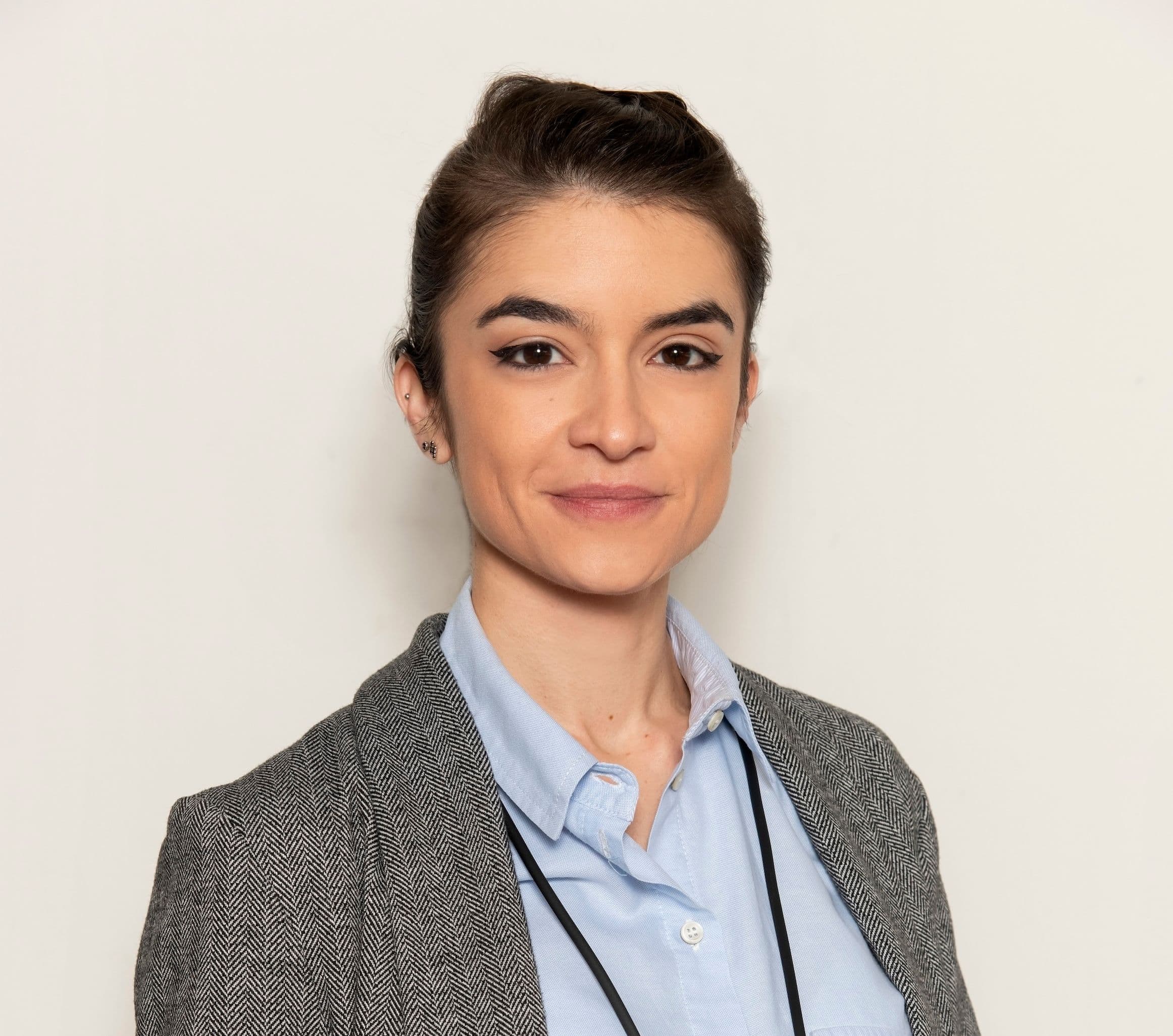
Anja Simic
Last Update
June 10, 2026

Table of Contents
What is a sole proprietorship in Zambia?
How a sole proprietorship works in Zambia
Sole proprietorship vs private company in Zambia
Step-by-step guide: How to register a sole proprietorship (business name) in Zambia
Financial & tax obligations for sole proprietors in Zambia
Launch your contracting career and stay compliant with Deel
FAQs
Starting your own business in Zambia as a sole proprietor is one of the fastest and simplest paths to formal entrepreneurship. You get the freedom to set your own hours, choose your clients, and grow at your own pace. But “simple” doesn’t mean “no work”—you’ll need to complete registration steps, comply with tax rules, and stay current with licensing.
The process is relatively streamlined thanks to agencies like PACRA and ZRA offering digital or semi-digital services. That said, the hurdles often come from gathering the right documents, paying small registration fees, and navigating thresholds that determine which tax regime you fall under.
The upside is big: low entry barriers, minimal corporate overhead, and direct control over your business. For freelancers, consultants, and micro-businesses, this structure offers an accessible foundation.
Disclaimer: This article is for informational purposes only and is not a substitute for legal advice. Please always check official sources or seek professional guidance before taking action.
What is a sole proprietorship in Zambia?
In Zambia, a sole proprietorship is commonly registered as a business name under the Patents and Companies Registration Agency (PACRA). In everyday terms, it’s often referred to as a sole trader, independent contractor, or simply self-employed business name. All these reflect the same model: a single person runs and owns the business without forming a separate company.
How a sole proprietorship works in Zambia
Here’s a snapshot of key characteristics:
| Category | Description |
|---|---|
| Official name | Business Name (for sole proprietor) |
| Registration body | PACRA (Patents and Companies Registration Agency) for name registration and certificate issuance |
| Minimum capital | None is legally mandated for a business name |
| Liability | Unlimited — the owner is personally liable for business obligations |
| Tax structure | Proprietor pays taxes via Zambia Revenue Authority (ZRA), either under Turnover Tax (if eligible) or Income / Company Tax when turnover exceeds the threshold |
| Naming conventions | You must reserve and register a unique business name with PACRA (name searches/clearance required) |
| Key advantage | Very low setup complexity and costs for small-scale operations |
| Key disadvantage | No liability protection — personal risk for business debts |
Sole proprietorship vs private company in Zambia
When comparing to a limited company (e.g. Private Company), here’s how they differ:
| Feature | Business Name / Sole Proprietorship | Private Limited Company / Other Entity |
|---|---|---|
| Liability | Unlimited | Limited liability for shareholders (personal assets protected) |
| Setup cost | Low (name registration, modest fees) | Higher (company registration, statutory documents, possible capital requirements) |
| Taxes | If turnover ≤ threshold, you may use Turnover Tax; if above, then income/company tax | Pays corporate tax, and possibly dividend or withholding tax on distributions |
| Setup time | Relatively quick, especially for business name registration | Longer, due to document preparation, company statutes, and additional approvals |
| Best for | Freelancers, micro-businesses, low-risk operations | Businesses expecting growth, investment, employees, or needing liability protection |
Compliance
Step-by-step guide: How to register a sole proprietorship (business name) in Zambia
Step 1: Check eligibility
Any individual (Zambian or foreign) of legal age (18+) may register a business name. Foreign nationals should confirm any residency or permit requirements locally.
Step 2: Choose your business name
Decide on a name and check availability using PACRA’s name search/clearance service via ZamPortal or PACRA’s portal. You may also request a name reservation for the name if available.
Step 3: Gather required documents
You will typically need:
-
A completed Form III — Application for Registration of Business Name (BN Form III) for a business name registration (sole proprietor)
-
Copy of National Registration Card (NRC) or passport/identification for the proprietor
-
Proof of physical address (utility bill, lease agreement, etc.)
Step 4: Register with PACRA
Submit your name reservation and business name registration via PACRA (online or at a regional PACRA office) with your documents. Upon approval, you receive a Certificate of Registration for your business name.
Step 5: Pay registration fees & receive TPIN
When registering your business name, you’ll pay the applicable PACRA fees (for BN Form III registration, a fee of K166.00 is often cited). Next, you register with ZRA to obtain your Taxpayer Identification Number (TPIN). After 2020, ZRA will often issue the TPIN automatically once PACRA registration is complete.
Step 6: Post-registration obligations
-
Register for Turnover Tax, Income Tax, or VAT, depending on your projection and thresholds
-
File tax returns and pay taxes on time
-
If hiring staff, register for PAYE and wages deductions
-
Maintain proper accounting records, invoices, and receipts
-
Renew/update business name registration or notify PACRA of changes (addresses, owner changes, etc.)
Financial & tax obligations for sole proprietors in Zambia
Turnover tax
If your annual turnover is ZMW 800,000 or less, you may qualify for the Turnover Tax regime, which is simpler and final (tax on gross revenue). The rate is 4% of your monthly turnover.
You must file and pay Turnover Tax monthly by the 14th day following the month of sales.
Income or company tax
If your turnover exceeds ZMW 800,000, you move into the Company Income Tax regime. The standard income tax rate is 30% on profits (revenue minus allowable expenses).
Also, provisional tax payments are required quarterly (March 31, June 30, September 30, December 31) to offset the final tax liability.
Value-added tax (VAT)
VAT registration is mandatory if your taxable turnover exceeds ZMW 800,000 in any 12-month period, or ZMW 200,000 over any three-month period. The current standard VAT rate is 16%.
You must file and pay VAT monthly (by the 18th of the following month).
Record-Keeping
You must keep proper accounting records, invoices, receipts, and transaction logs. Good records ease tax preparation, audits, and compliance.
Launch your contracting career and stay compliant with Deel
Registering as a sole proprietor gives you independence, but it also means handling taxes, invoices, and records on your own. Deel’s all-in-one platform helps you manage obligations without the stress. With Deel, you can:
- Automate invoicing and expense tracking with essential Bookkeeping tools
- Create, send, and sign localised work agreements
- Keep accurate records for tax season
- Access expert tax advice and compliance support
- Get paid through multiple payment and withdrawal methods
- Spend your earnings in USD with the Deel Card
- Access funds early with Advance
- Enjoy contractor perks from 150+ partners
Stay independent, without the admin overload. Sign up to Deel for free today.
Deel has completely alleviated the stress of being a global freelancer. The platform's simplicity and reliability mean I can trust payments are on time, allowing me to focus on work instead of paperwork.
—Sabrina Montero,
Colombia
More resources
FAQs
What is the minimum capital required to start a business name (sole proprietorship)?
There is no mandatory minimum capital for a business name in Zambia.
Do sole proprietors (business names) need to register for VAT?
Only if your taxable turnover exceeds ZMW 800,000 (or ZMW 200,000 in a 3-month period). Otherwise, VAT registration is optional.
How much are standard registration fees?
The cost for registering a business name (BN Form III) is K166.00 in many cases. Additional PACRA or administrative service fees may also apply.
Can a sole proprietor hire employees?
Yes. If you hire staff, you must register for PAYE, deduct tax from wages, and comply with employment regulations and social contributions.
How long does registration take?
Typically, a few days if all documents are in order. Given digital processing, PACRA and ZRA often issue TPINs quickly post-registration.
Can foreign nationals register as sole proprietors?
Yes — foreign nationals can register business names in Zambia, though local permit or immigration compliance may be required.
Do you need a separate business bank account?
While not always legally required, opening a business bank account is strongly recommended for accounting clarity and credibility.
What happens if I want to close the business?
You must deregister the business name with PACRA, settle outstanding taxes, file final returns, and cancel registrations with ZRA as needed.
Are there incentives or special rates for new business names?
No widely published general incentives for business names, though certain sectors or regions may have special programs. Always check with the Zambia Development Agency or local authorities.
Can I use Deel as a sole proprietor to get paid by global clients?
Absolutely. Deel automatically generates invoices that meet legal and tax requirements, helping you stay compliant with Zambian regulations and beyond.
Does Deel generate compliant invoices?
Yes. Deel provides downloadable tax reports and payment records you can use when filing returns. While Deel doesn’t replace your accountant, it simplifies your record-keeping and compliance.
Can Deel help with tax reporting?
Yes. Deel includes contract templates that are compliant with local laws, so you can work with clients safely and professionally.
Does Deel support freelancer benefits?
Yes. Deel offers optional perks like health insurance, retirement savings plans, and other benefits that are usually only available to employees, giving freelancers more security.
Contractors
Anja Simic is a passionate advocate for remote work and leveling the playing field for diverse talents worldwide. She’s the Director of Content Marketing at Deel. As a content marketing professional, she thrives on shaping impactful narratives through different formats such as long-form content, webinars, and newsletters (to name a few).