
Global Work Glossary
- Results for "undefined"
Table of Contents
How stablecoins maintain their value
Types of stablecoins
How stablecoins work in workforce payments
Stablecoin risks and regulatory considerations
Key facts
Manage fiat and stablecoin payments in one platform with Deel
FAQ
What are stablecoins?
Stablecoins are a type of cryptocurrency designed to hold a steady value by tracking an external reference, most commonly a major fiat currency.
Because their price stays within a narrow range, stablecoins let businesses and workers move digital value across borders without the volatility that makes other digital assets impractical for payroll or compensation.
Deel Payroll
Run payroll in Deel. Anywhere. Your way.
How stablecoins maintain their value
Reserve-backed stablecoins keep their peg by holding reserves equal to or greater than the number of coins in circulation. A fiat-collateralized stablecoin holds cash and cash-equivalent assets, such as short-term government securities, with regulated financial institutions. The issuer publishes regular attestations, so holders can check that the reserves match the outstanding supply. This transparency, with deep liquidity and a 1:1 link to the reference currency, is a key reason fiat-backed designs are common in business payment workflows.
Other models work in different ways. Commodity-backed stablecoins hold physical assets such as gold, and each token represents a fixed quantity of the commodity. Crypto-collateralized stablecoins keep extra crypto in reserve, so the coin stays stable even when crypto prices drop. Algorithmic models adjust the token supply automatically to move the market price toward the target. These models often hold no reserves, and this makes them riskier.
Types of stablecoins
Stablecoins fall into four broad categories based on their backing mechanism:
Fiat-collateralized: each coin is backed one-to-one by reserves of a traditional currency held in custody
Commodity-backed: reserves consist of a physical commodity, such as gold, with each token representing a defined quantity
Crypto-collateralized: backed by other digital assets and over-collateralized to absorb market volatility
Algorithmic: the supply contracts or expands automatically in response to shifts in market demand to keep the price near the target
Businesses adopt fiat-collateralized stablecoins most widely for payments because their reserve model is transparent and familiar to financial regulators.
How stablecoins work in workforce payments
Crypto payroll platforms use stablecoins to pay contractors and employees in a digital currency without subjecting either party to exchange-rate fluctuations. A company funds the payment in its local currency. The platform converts and delivers the equivalent in stablecoins, and the worker holds or converts the coins at a time of their choosing.
Compared with a conventional automated clearing house (ACH) transfer, stablecoin settlement runs on a blockchain that processes transactions continuously, without depending on a chain of correspondent banks. The blockchain shortens the settlement window and removes some currency conversion steps that add cost to cross-border payments. Workers in markets with limited banking access can receive stablecoin payments into a digital wallet without needing a traditional bank account.
Stablecoin risks and regulatory considerations
Employers using stablecoins face risks they should assess before adding digital currency to payment workflows. A reserve-backed coin depends on the issuer's financial health and the quality of its reserves, and a shortfall can trigger a de-pegging event in which the coin trades below its stated value. Algorithmic designs face additional risks if the supply mechanism cannot absorb sudden selling pressure, as has happened in past market disruptions.
Regulators worldwide are building frameworks for stablecoin issuers. Those frameworks address reserve composition, disclosure and audit standards, anti-money-laundering controls, and consumer protection requirements. The specific rules differ by jurisdiction and continue to evolve, so employers adopting stablecoins for payroll or contractor payments should confirm that the coins and platforms they select meet the requirements in every country involved.
Key facts
Stablecoins are a category of cryptocurrency designed to maintain a stable price by pegging to an external asset.
The most common peg is a major fiat currency, with the issuer holding matching reserves to back each coin.
Four main types exist: fiat-collateralized, commodity-backed, crypto-collateralized, and algorithmic.
Fiat-collateralized stablecoins dominate business payment use because their reserve model is transparent and familiar to regulators.
Stablecoins settle on blockchain infrastructure that operates continuously and do not depend on traditional banking intermediaries.
Regulators across multiple jurisdictions are building requirements for stablecoin issuers covering reserves, disclosure, and anti-money-laundering obligations.
Manage fiat and stablecoin payments in one platform with Deel
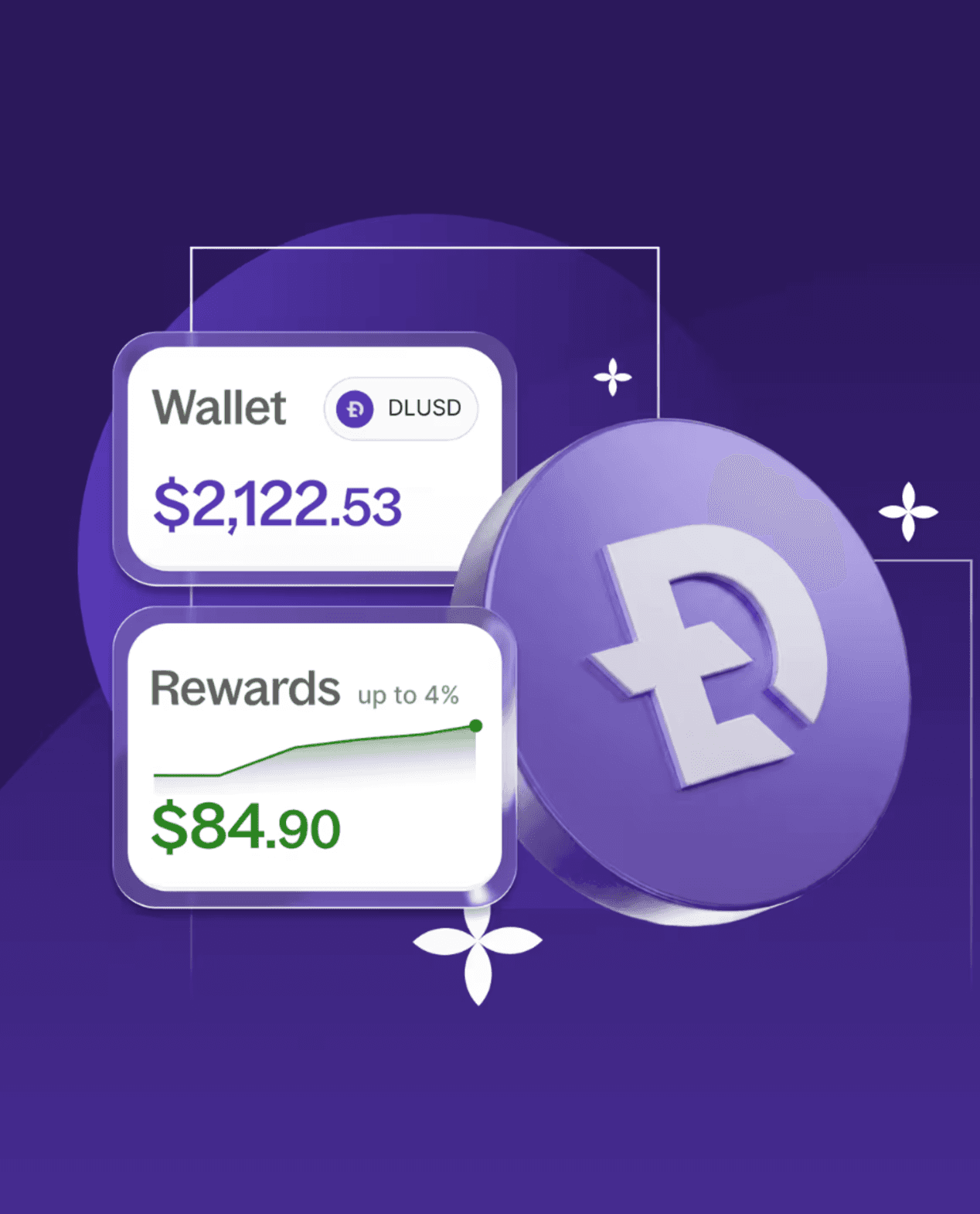
While most platforms are adding stablecoins as a feature, Deel is building the infrastructure for how global work actually pays. That means integrated infrastructure, one compliance layer, and both fiat and stablecoin supported payments, for employees and contractors*. With everything on a unified and compliant platform, businesses don't have to choose between flexibility and control.
Deel Stablecoin Wallet
Pay contractors with Stablecoin
FAQ
Are stablecoins the same as other cryptocurrencies?
Unlike most cryptocurrencies, where prices move freely with market demand, stablecoins sacrifice appreciation potential to maintain a predictable price. That tradeoff makes them useful for payments and settlements rather than investment. Bitcoin and similar assets fluctuate too much for most payroll or business-payment purposes.
Can a stablecoin lose its peg?
A stablecoin can lose its peg if its reserves fall short, if market confidence in the issuer drops, or if an algorithmic mechanism cannot absorb sudden selling pressure. Reserve transparency and issuer quality are the primary factors to evaluate when selecting a stablecoin for business use.
How are stablecoins regulated?
Regulators treat stablecoins differently by jurisdiction, and the rules continue to develop. Many countries now require stablecoin issuers to hold audited reserves, follow anti-money-laundering rules, and obtain authorization from a financial regulator. Employers operating across multiple countries should seek advice from local advisers before integrating stablecoins into their payment workflows.
Are stablecoins suitable for cross-border contractor payments?
Stablecoins can shorten settlement times and reduce some of the intermediary costs associated with international wire transfers. Three factors determine practical suitability: the platform's licensing in the relevant countries, the worker's ability to access and convert the coins, and local payroll reporting obligations.
*This entry discusses financial and regulatory topics that vary by jurisdiction, and any organization adopting stablecoins for payments should consult qualified advisers before proceeding. Stablecoin-related functionality may not be available in all jurisdictions and is subject to eligibility, applicable law, and third-party partner support. Certain services may be provided through regulated infrastructure or third-party providers. Rewards, where available, are promotional in nature and are not investment products, deposit products, or guaranteed returns.