
Global Work Glossary
- Results for "undefined"
Table of Contents
Domestic vs. international employee relocation
What the employee relocation process involves
Compliance and tax considerations when relocating employees
How Deel Mobility supports employee relocation
Key facts on employee relocations
FAQ
What is employee relocation?
Employee relocation is the process of moving an existing employee to a new work location. The move can be within the same country or across borders. Unlike a new hire at a different site, the company plans and pays for the move for someone already on payroll.
Companies relocate employees to enter new markets, place key talent closer to a team, or support career development.
Relocation does not always start with the employer. An employee can also choose to relocate, for example to join a partner or to live closer to family. The employer then decides whether to support the move.
Employer-led and employee-led relocations both need clear rules for approval, pay, and benefits.
Domestic vs. international employee relocation
Domestic employee relocation moves an employee between cities, states, or regions within the same country. The main considerations are moving costs, temporary housing, and whether the company offers a relocation package or relocation assistance.
International employee relocation adds immigration and tax complexity. The employee needs valid work authorization in the destination country, typically a work visa or work permit, before starting work. Both the employer and the employee also face new payroll, social security, and income tax obligations in the host country.
For a dedicated treatment of cross-border moves, see Employee Mobility Services: Easy Relocations for International Companies.
What the employee relocation process involves
A typical international employee relocation includes four steps:
Obtaining a work visa or permit in the destination country, often with employer sponsorship
Transferring payroll to the host country's system and registering with local tax authorities
Coordinating moving logistics, temporary housing, and travel for the employee and any accompanying family members
Updating the employment contract to reflect host-country law, including notice periods, termination rules, and mandatory benefits
For domestic moves, the first two steps either don't apply or are significantly simpler.
Compliance and tax considerations when relocating employees
Cross-border relocation can create permanent establishment risk if the host country treats the employee's presence as a taxable business operation. Tax withholding and social security obligations begin from the employee's first day in the host country, and the specific rules vary by jurisdiction.
Social security treaties between countries may allow the employee to remain in the home-country system, but the company must verify treaty coverage before the move begins.
How Deel Mobility supports employee relocation
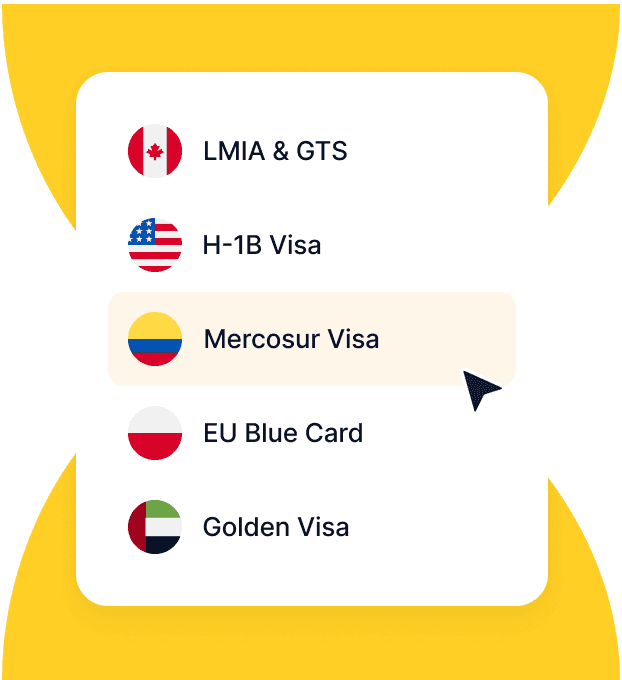
Deel Mobility coordinates immigration support, employer sponsorship, and relocation logistics for companies moving employees internationally. It connects these services with payroll and compliance, so HR teams manage a cross-border move without coordinating separate vendors for each piece.
Deel Mobility
Get worldwide visas without the legwork
Key facts on employee relocations
Employee relocation covers both domestic moves and international moves of existing employees.
Employers can pay for employer-led relocation costs. These costs can include moving expenses, temporary housing, travel, and cost-of-living adjustments.
International moves require valid work authorization in the destination country before the employee starts work.
Cross-border relocations create tax, payroll, and potential permanent establishment obligations that differ by country.
A global mobility strategy governs which employees qualify for relocation and on what terms.
FAQ
Does employee relocation always require a new employment contract?
Domestic moves typically need only a contract amendment. International moves usually require a substantially revised or new employment contract that reflects host-country law, including mandatory benefits and termination rules.
Who pays for an employee relocation?
The employer typically covers core relocation costs if they initiated the move. The scope varies: some companies provide a fixed relocation package while others reimburse actual expenses up to a cap. Tax treatment of these payments differs by country.
How long does an international employee relocation take?
Timelines depend on the destination country's visa processing time and the employee's individual circumstances. Domestic moves can take a few weeks. International relocations requiring immigration approvals typically take two to six months.
How does employee relocation differ from an international assignment?
A full relocation generally ends the employee's home-country contract and creates a new one in the host country. An international assignment is a temporary arrangement where the employee retains their home-country contract and works abroad for a defined period.
Deel Mobility
Get your immigration and mobility questions answered

Immigration requirements, tax obligations, and employer duties vary by country and individual circumstances — country-specific rules are published by the relevant national authority, such as USCIS for US immigration matters, the UK Home Office for UK entry clearance, or Germany's Federal Office for Migration and Refugees (BAMF).