Article
6 min read
How to Send Stablecoin Payments to Contractors in Peru
Contractor management
Global payroll
Legal & compliance

Author
Joanne Lee
Last Update
September 28, 2026

Table of Contents
Why stablecoin payments work in Peru
Benefits of paying Peruvian contractors in stablecoins
Peru stablecoin regulations businesses should know
Step 1: Classify your Peruvian contractors correctly
Step 2: Set up your stablecoin payment infrastructure
Step 3: Onboard your contractors and collect payment details
Step 4: Execute and reconcile stablecoin payments
Step 5: Monitor compliance and manage ongoing obligations
Send stablecoin payments to Peruvian contractors with Deel
Key takeaways
PEN exchange-rate friction and high international wire fees make stablecoins a practical payment option for finance teams with Peruvian contractors.
Peru's Crypto Travel Rule took effect August 1, 2026, raising compliance requirements for virtual asset service providers.
Deel's Contractor solution helps finance teams onboard, manage, and pay independent contractors. Eligible contractors may have access to stablecoin withdrawal methods through the Deel platform.
International contractor payments to Peru involve real operational friction. The Peruvian sol (PEN) adds currency-conversion risk to every cross-border transfer, and international wire transfers to Peruvian accounts can take three to five business days, carry fees at multiple correspondent banks, and land contractors with less than they invoiced. For finance leaders managing cross-border contractor spend, those delays and fees increase as teams grow.
Stablecoins such as USD Coin (USDC) and Tether (USDT) are digital assets designed to track the value of the US dollar. They settle faster on most networks, create a transparent on-chain record that can support reconciliation, and give contractors exposure to a dollar-pegged asset while they hold or convert to PEN.
This guide covers Peru's stablecoin regulations and the practical steps for classifying, onboarding, and paying Peruvian contractors in stablecoins.
Why stablecoin payments work in Peru
Peru is one of Latin America's largest crypto markets by volume. About $28 billion in crypto circulates in Peru each year, and roughly 90% of those transactions involve dollar stablecoins used for savings, remittances, and cross-border payments. That adoption reflects real economic conditions on the ground.
The Peruvian sol has experienced depreciation pressure against the US dollar during periods of political uncertainty and commodity-cycle volatility. For contractors invoicing in PEN, their earnings can lose purchasing power between payment confirmation and fund receipt. Stablecoins denominated in USD reduce that exchange-rate exposure, giving contractors an asset designed to track the dollar that they can convert to PEN at their own pace.
Banking infrastructure also plays a role. While Peru's financial sector has expanded significantly, a meaningful share of independent contractors, especially those working remotely or outside Lima, operate through accounts that are not optimized for receiving international wires. SWIFT transfers require correspondent bank routing, carry fees at each stop in the chain, and can fail or delay for documentation reasons. Stablecoin transfers on most networks resolve faster and don't depend on the same intermediate-bank infrastructure.
For finance leaders, the operational case is similarly clear. Multi-day international wires create timing mismatches between invoice approval and fund receipt. Stablecoin payments settle faster, generate an on-chain transaction hash that pairs with the invoice and approval record for reconciliation, and are available on weekends and public holidays when traditional banking rails aren't.
Deel Stablecoin Wallet
Pay contractors with Stablecoin
Benefits of paying Peruvian contractors in stablecoins
Switching from wire transfers to stablecoin payments creates concrete advantages for both sides of the transaction. Settlement times, fees, and conversion options depend on the provider, asset, and network, so confirm the specifics with your provider before setting expectations with contractors.
Benefits for finance leaders and their companies:
Faster settlement compared to multi-day international wires through correspondent banking chains
Potentially lower per-transaction costs relative to SWIFT transfers with multiple bank fees
24/7 availability, including weekends and Peruvian public holidays
On-chain transaction records that support reconciliation when paired with contractor invoice, contract, and approval data
A simplified payout workflow for managing multiple Peruvian contractors on the same payment cycle
Benefits for Peruvian contractors:
Exposure to a dollar-pegged asset that can reduce short-term PEN exchange-rate risk before conversion
Faster access to funds compared to wire processing delays
Flexibility to convert to PEN through local exchanges or hold in a stablecoin asset according to their own needs
Transaction records that can support their own SUNAT tax compliance
As Peru's stablecoin infrastructure matures alongside its regulatory framework, these rails are becoming increasingly well-supported by established providers, though specific features and eligibility depend on the platform and contractor's circumstances.
Peru stablecoin regulations businesses should know
Peru has built a foundational framework for virtual assets over the past two years, focused primarily on anti-money laundering and countering the financing of terrorism (AML/CFT) obligations for Virtual Asset Service Providers (VASPs, or PSAVs in Spanish). Finance leaders paying Peruvian contractors need to understand the key regulatory bodies and what those rules require.
SBS (Superintendencia de Banca, Seguros y AFP)
The SBS is Peru's government agency that runs AML/CFT supervision for VASPs through its Financial Intelligence Unit, the UIF-Peru. In July 2024, the SBS published Resolution N° 02648-2024, the AML/CFT rules for virtual asset service providers. The regulation applies to VASPs that exchange crypto for fiat, swap one crypto for another, transfer digital assets, provide custody, or offer financial services tied to digital asset issuance. Under this regulation, stablecoins are treated like any other virtual asset. The provider must run a full AML/CFT program, apply KYC checks, report to the UIF-Peru, and comply with the Travel Rule.
The Travel Rule (Regla de Viaje)
Resolution N° 02648-2024 also establishes the Travel Rule, which entered into force on August 1, 2026. Under this rule, PSAVs domiciled or incorporated in Peru (including local branches of foreign firms) must collect, retain, and transmit originator and beneficiary information for virtual asset transfers. The rule applies to transfers of any size. A lighter data set applies below $1,000, and the full data set (including address, date and place of birth, or a transaction ID) applies at $1,000 and above. Transfers must be accompanied by the required data immediately and securely, with records available to authorities on request.
SUNAT (Superintendencia Nacional de Aduanas y de Administración Tributaria)
SUNAT is Peru's national tax authority. Peru's legal system does not have a specific tax law for cryptocurrencies. SUNAT treats cryptocurrency as an intangible movable asset, and existing income tax principles can apply to gains from disposal or exchange. The tax result depends on the taxpayer, transaction, and applicable rules. Paying companies should consult a local tax adviser on the current treatment and how any future changes affect their payment structure.
Tax and reporting obligations for the paying company
When your company sends a stablecoin payment to a Peruvian contractor, documentation, accounting, tax, and compliance requirements may apply to you as the payer. This depends on your jurisdiction, Peruvian nexus, and the payment structure.
FX valuation at payment date: Record the payment value and any required PEN equivalent using the exchange-rate source your applicable accounting and tax rules specify. Confirm the method with an adviser before the first payment.
Invoice documentation: Confirm with a Peruvian tax adviser which supporting document the contractor should issue for the engagement, such as a recibo por honorarios (an official receipt issued by independent contractors) where applicable, based on their tax registration status.
Contractor verification: Consider verifying the contractor's RUC registration and tax status at onboarding and periodically thereafter, based on legal advice. Contractors with lapsed registrations can create documentation risk for the payer.
Record-keeping: Maintain payment confirmations alongside the contractor's contract, invoice, approval record, and wallet details. The standard retention period for records is four years. Under certain circumstances involving specialized rules or extended audits, it may be required to retain records for up to 10 years.
Some payment platforms generate transaction records that can reduce manual reconciliation. Confirm which documents are available and whether they meet your legal, tax, and audit requirements before relying on them.
Peru's regulatory landscape at a glance
SBS / UIF-Perú: Banking and financial supervisor; runs AML/CFT oversight for PSAVs under Resolution N° 02648-2024, including the Travel Rule that's been effective as of August 1, 2026
SUNAT: National tax authority; treats crypto as intangible movable goods under existing income tax principles; no crypto-specific tax law yet
Step 1: Classify your Peruvian contractors correctly
Before configuring any payment method, confirm how your contractors are classified under Peruvian law. Classification errors at this stage create compliance exposure that is difficult to unwind later, and Peruvian labor courts look at the actual working relationship rather than the contract label alone.
Peruvian law recognizes two fundamentally different working relationships:
Independent contractors (locación de servicios): Registered as self-employed, responsible for their own tax obligations, and engaged through a services contract. They generally can receive payments from foreign companies, including in stablecoins, subject to applicable tax and regulatory rules.
Employees in relación de dependencia: Hired under Legislative Decree N° 728 (the Labor Productivity and Competitiveness Law), entitled to all statutory employment benefits, and subject to employer payroll and social security obligations. Different rules govern their compensation.
Deel Contractor of Record
Minimize misclassification risk

Step 2: Set up your stablecoin payment infrastructure
Once contractor classification is confirmed, it's time to integrate stablecoins into your payment infrastructure. Choose a platform, select a stablecoin currency, and confirm networks and withdrawal methods.
Platform selection
Use a provider that operates with appropriate VASP registration or in partnership with a registered VASP for the jurisdictions involved. Deel Contractor helps businesses onboard, manage, and pay independent contractors. Contractors may choose from eligible withdrawal methods available through Deel, which may include stablecoin options depending on country, eligibility, and current product support.
Stablecoin selection
USDC (USD Coin) is widely used for international contractor payments due to its transparent reserve attestations and regulatory track record. USDT (Tether) is also commonly used, but liquidity, availability, fees, and regulatory treatment vary by provider and network.
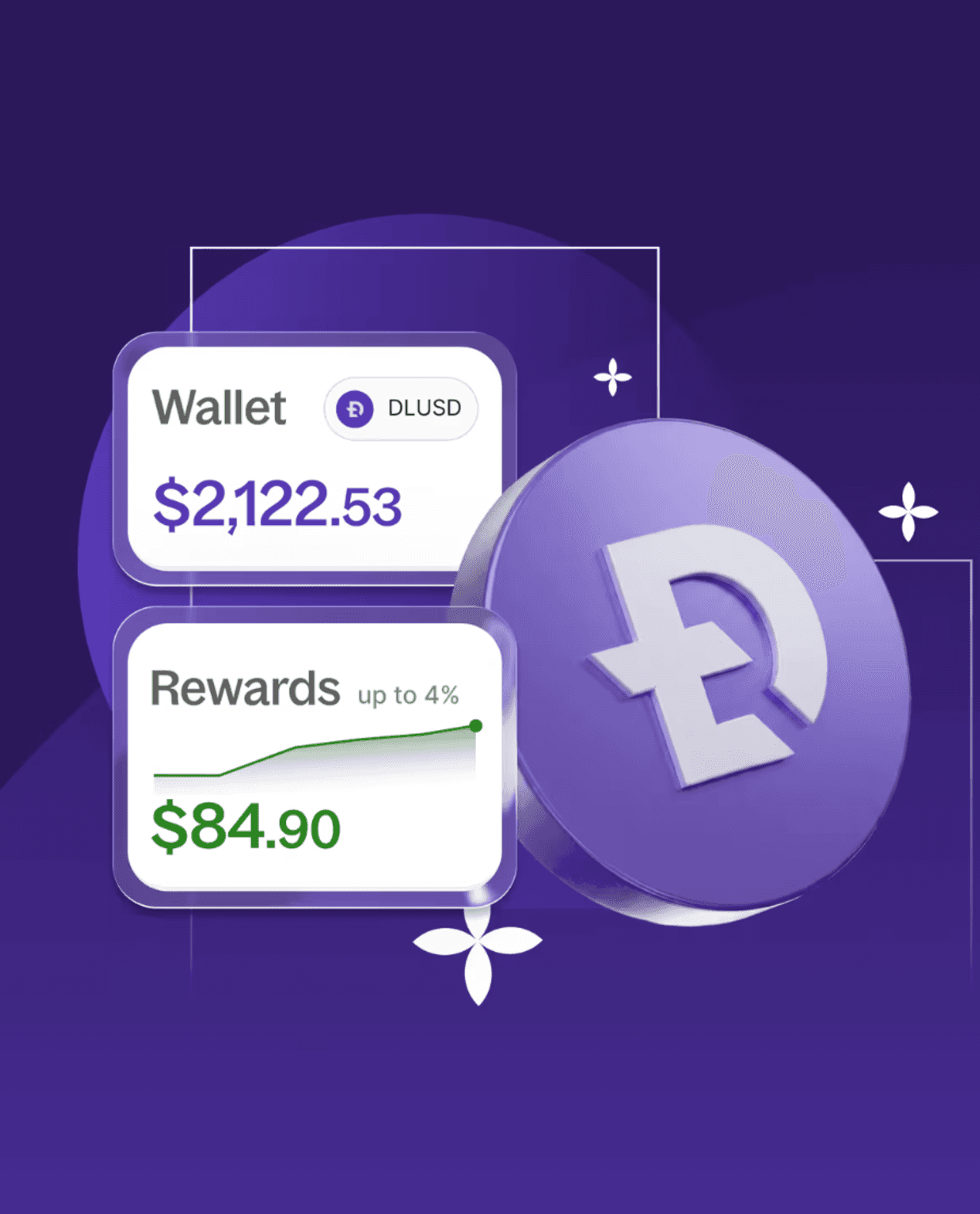
With Deel, contractors can also use DLUSD, Deel's internal USD-equivalent instrument. They can store it in a self-custodial wallet, and their funds are always 1:1 USD-backed. Contractors can choose to hold their balance in DLUSD or move their funds back to their Deel Balance. They also may be eligible to earn rewards.
Network and eligibility
Network options affect transaction fees and settlement times. Confirm the networks and withdrawal methods currently available for contractors in Peru with your provider before onboarding, as available options vary by account and country.
Step 3: Onboard your contractors and collect payment details
Contractor onboarding for stablecoin payments requires more than collecting a wallet address. Regulated providers perform identity verification and risk-based AML checks as required by applicable law and their compliance programs.
The onboarding process typically includes:
Inviting the contractor to the platform via email
Collecting identity documentation (national ID or passport)
Completing Know Your Customer (KYC) verification
Verifying tax identification (RUC number for Peruvian contractors)
Reviewing the withdrawal methods available in the contractor's account
Confirming that the contractor is set up to receive eligible stablecoin payouts through the platform
A regulated provider's onboarding controls can help satisfy applicable KYC and AML obligations on the platform side. Paying companies should separately assess any verification, reporting, or due-diligence duties that apply to them under Peruvian and home-country law.
Step 4: Execute and reconcile stablecoin payments
With infrastructure in place and contractors onboarded, payment execution is straightforward. Reconciliation discipline matters from the first payment. Confirm the appropriate FX valuation method with your accounting adviser before you begin.
Payment execution:
Approve the contractor payment through the supported Deel workflow, specifying the USD amount and payment date
Record the applicable exchange-rate reference for that date alongside the payment confirmation
The contractor receives a notification and can choose from the eligible withdrawal methods available in their account
Stablecoin transfers typically confirm faster than international wire transfers, with exact timing depending on the network and provider
Reconciliation requirements:
When recording the payment in your accounting system, capture:
The USD amount paid (stablecoin face value)
The payment's PEN-equivalent value using the method required by your applicable accounting and tax rules
Any blockchain transaction reference provided for an eligible stablecoin payout, retained alongside the contract, invoice, and approval record
The contractor's invoice reference tied to the payment
Eligible on-chain payouts may produce a timestamped transaction reference that supports reconciliation when paired with internal invoice and approval records.
Deel Payroll
Run payroll in Deel. Anywhere. Your way.
Step 5: Monitor compliance and manage ongoing obligations
Stablecoin payment programs require ongoing monitoring as regulations, contractor circumstances, and platform requirements evolve. Peru's regulatory framework is still developing, and both the paying company and the contractor have continuing responsibilities.
Ongoing compliance responsibilities
SBS and UIF-Perú updates: With the Travel Rule (Chapter VIII of Resolution N° 02648-2024) now in force as of August 1, 2026, VASPs serving Peru are building out data-collection and transmission infrastructure. Finance leaders should confirm that their payment provider is compliant with the new rules and maintain records of VASP status for their audit file.
SUNAT crypto tax developments: SUNAT has signaled plans to amend Peru's Income Tax Law to formally capture crypto gains. Monitor SUNAT guidance and work with a local tax adviser to understand how any enacted changes affect your payment structure.
Contractor re-verification: Contractors' RUC registration and tax status can change. Periodic re-verification, at minimum annually, is good practice before renewing or continuing payment runs.
Regulatory monitoring: A bill on crypto-asset exchange licensing remains pending in Peru's Congress. If enacted, it would create a formal licensing register for crypto exchanges (the RUPIC), which could affect which platforms operate compliantly in the market. Deel maintains compliance processes for its services as requirements evolve.
Send stablecoin payments to Peruvian contractors with Deel
Getting stablecoin payments to Peruvian contractors right requires three things working in parallel: proper contractor classification, a provider with appropriate regulatory standing and compliance controls, and accurate payment documentation.
Deel Contractor helps finance teams onboard, manage, and pay independent contractors in Peru through one connected workflow. Deel handles onboarding, KYC, and payment processing, and contractors can choose from eligible withdrawal methods, including stablecoin options (where available based on country, eligibility, and current product support). The Deel Stablecoin Wallet is currently available in 80+ countries across LATAM, Africa, the Middle East, and APAC.
Book a demo to see how Deel Contractor and the Deel Stablecoin Wallet can support onboarding, management, and payment of independent contractors in Peru.
Deel Hire
Find, hire, and manage anyone, anywhere

This article is provided for general informational purposes and should not be treated as legal, tax, or financial advice. Regulations governing stablecoin payments in Peru are evolving. Consult qualified local professionals for guidance specific to your situation.
FAQs
Is it legal to pay contractors in Peru in stablecoins?
Stablecoin payments are not prohibited in Peru, and independent contractors can generally receive them for services. Because stablecoins are legally treated as intangible assets rather than legal tender or foreign currency, payments operate legally as accord and satisfaction. Contracts must explicitly stipulate this payment method to ensure debt discharge.
Using an appropriately regulated provider can help manage KYC, AML, custody, and record-keeping obligations, though each party remains responsible for their own legal and tax compliance. Obtain local legal advice for your specific arrangement.
Does my company have withholding-tax obligations when paying Peruvian contractors in stablecoins?
Peruvian contractors are generally responsible for their own tax filings with SUNAT. The paying company's withholding or reporting obligations depend on its own jurisdiction, any Peruvian nexus, and the payment structure. Always verify the contractor's RUC registration and tax status before payment, and consult a Peruvian tax adviser for guidance specific to your situation.
Does Deel support paying Peruvian contractors in local currency (PEN)?
Yes. Contractors in Peru can choose both stablecoin withdrawals and local-currency withdrawals in PEN. Stablecoin options include BVNK, Coinbase, and Deel Wallet Stablecoin Transfer, while Local Bank Transfer and International Bank Transfer support PEN (and USD). Availability, fees, limits, and eligibility vary by method, and withdrawals must go to an account in the contractor’s own name or an eligible financial-institution account.
How does Deel handle stablecoin compliance for contractor payments in Peru?
Deel applies identity-verification and platform-side compliance controls and makes relevant payment documentation available according to the transaction and service used. Your team should still monitor the SBS, SUNAT, and home-country legal, tax, and accounting requirements that apply to your business.
Joanne Lee is a content marketing professional with 7+ years of experience creating effective social, search, email, and blog content for companies ranging from start-ups to large corporations. She's passionate about finding creative ways to tell a purpose-driven story, staying active at the gym, and diversity and inclusion. At Deel, she specializes in writing about topics related to global payroll and enterprise businesses.