Article
6 min read
What ‘Conscious Unbossing’ Means for the Future of Work
Worker experience
Author
Alice Burks
Last Update
October 28, 2025

About the author
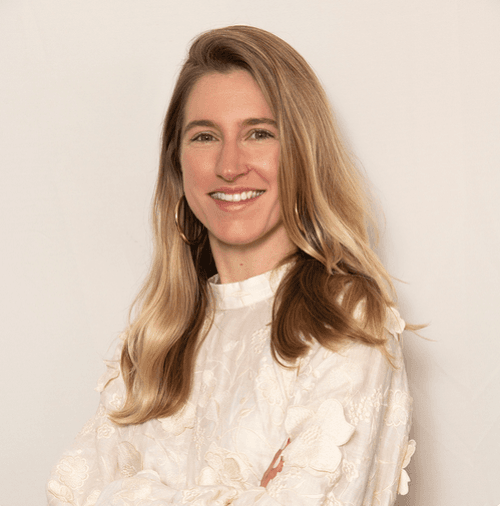
Alice Burks is the Director of People Success at Deel. She has a passion for transforming the workplace, and is dedicated to creating a new world of work where individuals have access to the best global opportunities and organizations can connect with top-tier talent. Prior to Deel, Alice was Global Head of Learning at DICE and Global Leadership Development Partner at Trustpilot.
What happens when nobody wants to be the boss anymore? By now, you may have heard of the rising trend of ‘conscious unbossing’, with various polls and surveys suggesting that the next generation of the workforce is largely uninterested in pursuing leadership roles. The trend is on the rise worldwide and may have serious ramifications for future leadership pipelines.
This isn’t a sign of laziness or a generational lack of ambition. It’s a sign of increased workplace stress, low employee engagement, and broken career progression strategies. For leaders, it might be tempting to invest only in those who still opt into traditional leadership development tracks. However, this approach carries a significant risk. HR leaders need to treat the cause, not just react to the symptoms.
Diagnosing conscious unbossing
First, it’s important to understand where the trend comes from. As I’ve already mentioned, it’s not because large portions of the workforce are lazy or unmotivated to succeed. It’s also not the same as last year’s ‘quiet quitting’ trend, where employees mentally and emotionally checked out of their role.
Someone engaged in conscious unbossing aims to remain an individual contributor, allowing them to prioritise flexible working and work-life balance over prestige. They’re still doing their jobs to the best of their ability, and may even be top performers. But they’re not bringing up growth or progression in their annual reviews, and they’re taking no proactive steps to climb the corporate ladder.
The size of the trend is staggering, spanning across continents. In the US alone, 50% of Gen Z workers report wanting to avoid middle management roles completely. In a survey spanning ten countries, over a third of HR leaders said employees are turning down leadership roles. In France, the number jumps to more than half (56%). And in a survey spanning 50+ countries, 40% of leaders say they’ve considered walking away from their leadership roles for their own well-being.
The root of conscious unbossing: Middle management roles
A clear pattern emerges when we dig into the data, pointing to middle management positions as one of the major drivers of the trend. Middle management is seen as “high stress, low reward,” and labelled unappealing and overwhelming. It’s a career stage often associated with bureaucracy, office politics, and blurry responsibilities.
Stress and burnout among middle managers are not news. What’s different today is the pace of change, with AI reshaping how work gets done and Gen Z openly prioritizing mental health over traditional advancement. It’s only getting more difficult to be a manager, and the salaries aren’t increasing to match. Put together, these factors are making middle management increasingly less attractive for the next generation.
Some are calling for the elimination of it altogether and redesigning leadership structures entirely. However, this delayering overlooks the critical role middle managers play in change management, career coaching, mentorship, and many other key functions.
What we need is a fresh approach to leadership and a practical roadmap for improving on traditional management tracks.
Career Management

Rethinking leadership for the future of work
Increased choice and flexibility
When organizational structures default to people management as the only path to growth, you subtly pressure high-performing individual contributors to “trade in” their autonomy for managerial authority. That’s a dangerous trade, and evidently one Gen Z is largely unwilling to make. It can make leadership feel like a punishment or obligation, and over time erodes trust, motivation, and retention of top talent.
To counteract that, choice and flexibility must be built into leadership pipelines. This could involve giving people temporary leadership positions - like running a squad or a project - so they can flex their leadership muscles. Many organizations, if not most, already ensure people have at least some unofficial leadership experience before being advanced. The difference is that now the message must be clear: opting out of people management will not be penalized.
Redesigning career paths to offer parallel tracks for individual contributors and managers allows people to grow and advance without defaulting to people leadership. This recognizes and rewards expertise, influence, and impact. It also ensures that progression is not just based on the size of someone’s team. For example, a Product Designer could become a Staff Designer or Design Architect, shaping product direction and design standards without managing direct reports.
Support for managers
I mentioned AI as a driver of stress for middle management, as they are at the forefront of the transformation. But AI can also be the solution. AI can ease the administrative burden of people management by performing simple tasks, such as flagging conflicting time-off requests and automating onboarding flows.
For those stepping into people leadership for the first time, HR becomes a key source of support. By offering training and coaching in critical managerial competencies, new leaders are better equipped for tasks they may never have encountered before, like conducting performance reviews or implementing Personal Improvement Plans.
The goal is not to replace managerial skills with AI. It’s to bolster new managers with the skills they need to lead, whilst leaning on automation to free up the time and space they need. It’s a win-win: better leaders and less burnout.
Complementary reading
Find out what applied AI looks like for business leaders, and how it helps businesses get ahead.
Clear expectations and negotiation
Typically, burnout in managers is caused by unclear role definitions. People collect responsibilities as they grow in an organization, leading to “catch-all” responsibilities. For example, a manager is usually expected to continue their work as an individual contributor (usually at a higher level) while also onboarding new hires, mentoring their reportees, and acting as the first point of contact when problems arise.
When people are pulled in many different directions, they lose momentum. To make leadership roles more attractive, clear expectations need to be set from the beginning. Employees should be given input into what their new leadership role will look like, with time set aside to negotiate which responsibilities they’ll carry into their new position and which ones need to be delegated.
Adapting for the future of work
It might be tempting to overlook trends like conscious unbossing as sensationalized fads. But when they’re backed by data, they’re signals of future challenges. Conscious unbossing tells us that any organization clinging to the corporate culture of the past will struggle to attract and retain the next generations of talent.
As HR leaders, it’s our responsibility to respond to these challenges practically, which means being ready to think outside the box and re-imagine what age-old concepts like ‘leadership’ look like in the modern era.
Helpful resources
- Step-by-Step Guide for Developing a Career Progression Framework
- 12 Career Progression Examples: Inspiration for Your Pathways
- Vertical vs. Lateral Career Growth: What’s The Difference?
Request your 30-minute Deel demo today, and see how thousands of companies build and grow high-performing teams.
Live Demo
Get a live walkthrough of the Deel platform

Alice Burks is the Director of People Success at Deel. She has a passion for transforming the workplace, and is dedicated to creating a new world of work where individuals have access to the best global opportunities and organizations can connect with top-tier talent. Prior to Deel, Alice was Global Head of Learning at DICE and Global Leadership Development Partner at Trustpilot.