Article
6 min read
What the Reported US Immigrant Visa Pause Could Mean for Global Employers
Immigration

Author
Deel Team
Last Update
June 09, 2026
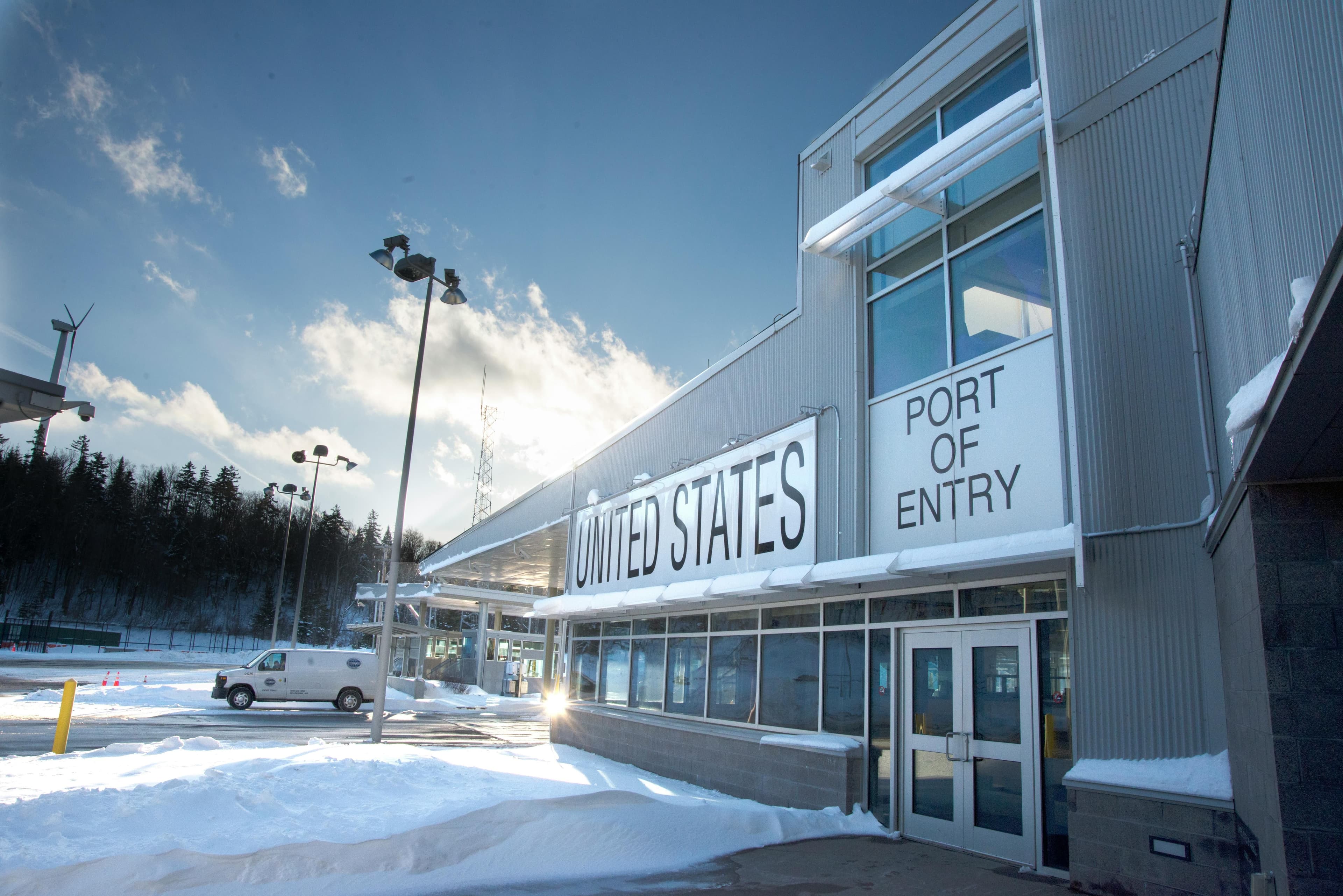
Table of Contents
The focus: "Public Charge" and vetting
Strategic alternatives: Looking beyond the US
Recommended next steps
Key takeaways
Immigrant visas paused: Leaked internal memos suggest a pause on processing immigrant visas for citizens of 75 countries starting January 21, 2026.
Vetting reassessment: The reported goal is to reassess "public charge" vetting to ensure applicants do not rely on US government benefits.
Non-immigrant visas: Current reporting focuses on immigrant visas only. There is no official indication that non-immigrant work visas (H-1B, TN, O-1, etc.) are included, though employers should expect potential delays as guidance develops.
Consular vs. domestic: The pause specifically impacts consular offices abroad; the effect on domestic USCIS filings (like I-140s) is currently unconfirmed.
Note to our Readers: This is an evolving matter based on internal government communications. We will update this blog post in real-time as official guidance is released by the State Department or USCIS.
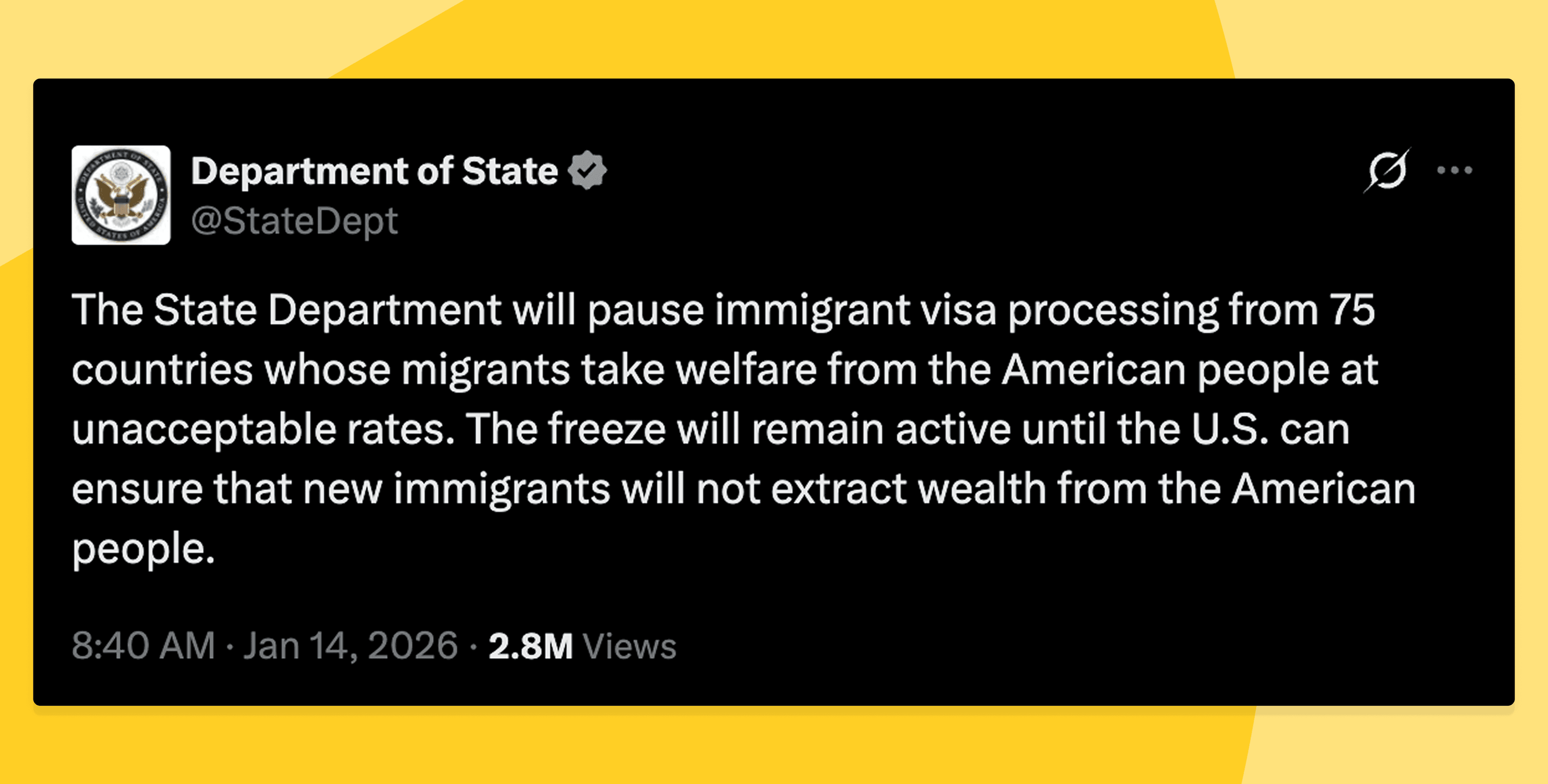
A significant shift in US immigration policy is reportedly underway. According to media reports citing leaked internal State Department memos obtained by Reuters and Fox News, the State Department has directed consular offices to indefinitely pause the processing of immigrant visas for citizens of approximately 75 countries.
This reported move follows the implementation of Presidential Proclamation 10998, which took effect on January 1, 2026, and already restricted entry for 39 countries. This latest advisory, while not yet formally proclaimed by the White House, indicates a potentially massive expansion of vetting protocols.
The focus: "Public Charge" and vetting
The leaked reports suggest the administration is using the "public charge" provision to justify the pause. Consular officers are reportedly being directed to apply heightened scrutiny to an applicant’s financial status, health, and age to ensure they are not "likely to become a burden on US taxpayers."
Are non-immigrant visas and I-140s affected?
There is currently high uncertainty regarding non-immigrant work visas (H-1B, L-1, TN, O-1) and domestic employer petitions (I-140).
Non-Immigrant Visas: While leaked cables focus on immigrant visas, it is unclear if temporary work categories will face similar freezes or merely heightened "administrative processing" delays.
I-140 Petitions: As this is a State Department (consular) directive, domestic adjudications by USCIS have not yet been formally paused as of publication, though the January 1 "Hold and Review" memo already affects pending benefits for 39 countries.
Deel’s recommendations
Potential delays: Until official guidance is released, employers should treat these categories as at risk of delay rather than fully paused.
Business travel considerations: Reported delays in US immigrant visa processing may lead to increased use of B-1/B-2 visas or ESTA for business travel. Employers should closely track time spent in the US and ensure activities remain within the permitted scope to avoid overstays or potential misclassification as unauthorized work.
Affected countries (per unofficial reports)
This list is compiled from media reporting and leaked cables and may change pending official publication. Unofficial reports include:
Afghanistan, Albania, Algeria, Antigua and Barbuda, Armenia, Azerbaijan, Bahamas, Bangladesh, Barbados, Belarus, Belize, Bhutan, Bosnia, Brazil, Burma, Cambodia, Cameroon, Cape Verde, Colombia, Cote d’Ivoire, Cuba, DRC, Dominica, Egypt, Eritrea, Ethiopia, Fiji, Gambia, Georgia, Ghana, Grenada, Guatemala, Guinea, Haiti, Iran, Iraq, Jamaica, Jordan, Kazakhstan, Kosovo, Kuwait, Kyrgyzstan, Laos, Lebanon, Liberia, Libya, Macedonia, Moldova, Mongolia, Montenegro, Morocco, Nepal, Nicaragua, Nigeria, Pakistan, Republic of the Congo, Russia, Rwanda, Saint Kitts and Nevis, Saint Lucia, Saint Vincent and the Grenadines, Senegal, Sierra Leone, Somalia, South Sudan, Sudan, Syria, Tanzania, Thailand, Togo, Tunisia, Uganda, Uruguay, Uzbekistan, and Yemen.
Strategic alternatives: Looking beyond the US
While the US remains a critical market, the current regulatory climate highlights the importance of a diversified global talent strategy. For employers facing uncertainty, maintaining flexibility across jurisdictions can help reduce disruption while US policy evolves.
If hiring or relocation plans for the reported countries are delayed, organizations may consider parallel pathways that allow teams to keep moving while official guidance develops:
Relocation to economic hubs: Countries like Germany, the UAE, and Singapore continue to offer streamlined "Highly Skilled Migrant" and "Golden Visa" pathways with predictable timelines.
Digital nomad & remote work: Many nations, including Portugal and Spain, have dedicated visas for remote workers that avoid the traditional complexities of US sponsorship.
Employer of Record (EOR) mobility: Deel’s EOR model allows you to hire and onboard talent in 150+ countries without needing a local entity, ensuring your team can continue working while US processing is in flux.
Recommended next steps
Wait for official confirmation: Monitor official portals (State.gov / USCIS) for a formal Proclamation or 'Fact Sheet.'
Audit impacted pipelines: Identify employees from the reported list who have upcoming consular appointments.
Communicate early with affected employees: Proactively share what is known, what remains uncertain, and when updates will be provided to help reduce anxiety and confusion during this developing situation.
Explore Ggobal flexibility: If US pathways become unviable, speak with your Deel representative about relocating talent to one of the 70+ countries where we provide full immigration support.
Please note, this is a developing situation, and details may change as formal guidance is released.
Deel is actively monitoring updates from the US State Department and USCIS and will continue to share information as it becomes available.
If you have questions about how this may affect your workforce or mobility plans, your Deel representative can help you understand available options while policy clarity continues to unfold.
Deel Mobility
Get your immigration and mobility questions answered