
Global Work Glossary
- Results for ""
Table of Contents
What is CV fraud?
How CV fraud works
How organizations detect CV fraud
CV fraud vs. other types of hiring fraud
Key facts
Detect CV fraud with Deel Security
FAQ
What is CV fraud?
What is CV fraud?
CV fraud is the deliberate falsification or fabrication of information on a curriculum vitae (CV) or resume to secure employment. Also called resume fraud, it covers misrepresentations ranging from inflated job titles and fabricated employment histories to forged academic credentials and professional certifications. At the more serious end, it may involve identity fraud or document forgery to make false claims appear credible.
How CV fraud works
Candidates commit CV fraud in many ways. Some inflate their responsibilities or extend employment dates by a few months. Others fabricate degrees, invent previous employers, or submit forged certificates to claim qualifications they don't hold. Common examples include:
Claiming academic degrees that were never earned or completed
Listing false job titles, employers, or employment periods
Falsifying professional certifications or licenses
Providing false references or impersonating a reference contact
Concealing a criminal record where disclosure is legally required
Using another person's real credentials or identity
Artificial intelligence (AI)-generated identity documents and sophisticated image editing tools have made some fraudulent applications harder to detect at the initial screening stage.
How organizations detect CV fraud
Employment history verification confirms whether a candidate's listed roles, dates, and responsibilities match employer records. Document authenticity verification checks whether academic certificates and professional credentials are genuine. Reference checks add a further layer by directly contacting the people a candidate names.
Many applicant tracking systems now incorporate background check workflows and proxy interview detection tools directly into the hiring pipeline and make it easier to catch misrepresentation before an offer is made. Fraud that slips past pre-hire screening often surfaces during onboarding, periodic compliance reviews, or when a specific qualification becomes operationally relevant.
CV fraud vs. other types of hiring fraud
CV fraud and related hiring fraud terms cover different methods and stages of deception, though they can occur together.
Candidate impersonation fraud: A different person attends the interview, completes a test, or passes screening on the applicant's behalf. The employer hired someone they never met, not the person whose CV they assessed.
Document forgery: The creation of fake academic certificates, government-issued IDs, or professional licenses submitted to support false CV claims. It is a method used to execute CV fraud rather than a separate act.
Identity fraud: Using another person's real identity to apply for a role, often combining stolen personal details with forged documents. It overlaps with CV fraud when the applicant presents fabricated or stolen credentials.
Key facts
Here are some key facts about how CV fraud works, the risks it poses to employers, and how organizations can detect and prevent it.
CV fraud and resume fraud refer to the same behavior, used interchangeably depending on the region.
Candidates can misrepresent anything from a job title to a degree, employment record, or identity.
Employers typically detect most CV fraud through pre-employment screening, including background checks, employment history verification, and credential checks.
When CV fraud is discovered before hiring, employers typically withdraw the offer. When employers discover it after hiring, they typically dismiss the worker and may pursue legal action, depending on the jurisdiction and the role.
Regulated industries carry greater legal exposure for employers who fail to run adequate checks.
Detect CV fraud with Deel Security
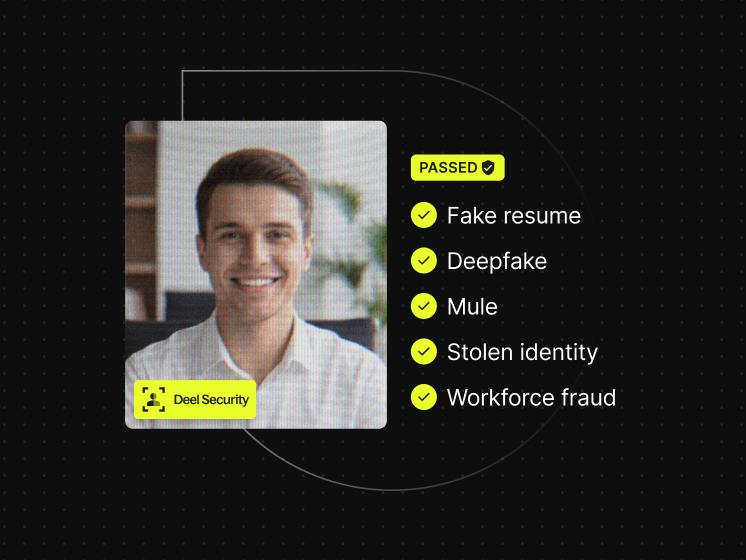
Fraudulent CVs can contain fabricated work histories, false personal information, or AI-generated content. Deel Security helps businesses detect fake and AI-generated CVs, synthetic identities, deepfakes, and candidate impersonation throughout hiring, onboarding, and ongoing employment.
Deel Security integrates with your existing applicant tracking system (ATS), bringing potential fraud alerts into recruitment workflows for human review. HR and security teams can investigate identity inconsistencies and make more informed hiring decisions.
Book a demo to see how Deel Security helps protect your hiring process from CV fraud.
Deel Security
Hire real people, keep fraud out from hiring to offboarding
FAQ
What happens when CV fraud is discovered after hiring?
Employers typically have grounds for immediate dismissal for gross misconduct, without notice, when CV fraud comes to light after a person starts work. If the fraud relates to a regulated qualification required for the role, the employer may face regulatory exposure. In cases involving forged identity documents, courts may impose criminal liability depending on the jurisdiction.
Is CV fraud illegal?
CV fraud may carry criminal or civil consequences, depending on the jurisdiction and the nature of the misrepresentation. In countries where using false statements or forged documents to gain financial benefit constitutes fraud, candidates may face prosecution. In others, the consequences are primarily employment-related, with regulated industries carrying the highest compliance exposure.
Does CV fraud include embellishing a job title?
Exaggerating a job title or responsibilities is one of the most common forms of CV fraud, though the threshold between embellishment and actionable misrepresentation varies by jurisdiction. When an inflated title leads to a role for which a person is not qualified, or to compensation they would not otherwise have earned, it may meet the legal threshold for fraud.
Can background checks catch all CV fraud?
Background checks catch most common forms of CV fraud, but no single check covers everything. Employment history verification may miss overseas roles where records are unavailable, and credential checks depend on the accuracy of the certifying body's database. Organizations reduce exposure by layering multiple verification methods and running checks both before and after hiring.
This article is for informational purposes only, does not constitute legal advice, and is not a substitute for qualified legal advisers on employment, fraud, and verification laws, which vary by jurisdiction.