Article
2 min read
Stablecoin Market Trends 2026: Why Usage is Increasing
Contractor management

Author
Joanne Lee
Last Update
November 24, 2026

Key takeaways
Stablecoin payments grew 45% to $482B from January to September 2026, while supply grew 0.4%.
Five drivers explain the growth: dollar-backed pay for workers, business use, cross-border payments, clearer rules, and cards that let people spend.
Deel supports fiat and stablecoin payments on one platform with one compliance layer, and the Deel Card lets contractors spend their stablecoin balance.
Stablecoin payments grew 45% to $482B from January to September 2026.
This increase in stablecoin usage is driven by a few clear reasons. Workers want dollar-backed pay. Businesses use stablecoins for real operating costs, such as payroll and supplier payments. Stablecoin regulations are now clearer, and cards let people spend a stablecoin balance without requiring merchants to adopt stablecoins.
This article explains the main drivers of increased stablecoin usage, what these trends mean for companies that pay people around the world, and how Deel is supporting this payment shift.
What is the current state of the stablecoin market?
The stablecoin market is currently showing a shift from holding to using. Stablecoins are no longer only a trading tool. Businesses now use stablecoins to pay workers, and workers are actually spending their stablecoin balances.
For companies hiring across multiple countries, a dollar-pegged and regulated cryptocurrency like stablecoins offers a quicker and more affordable way to pay workers. Instead of going through lengthy transfers and foreign exchange fees, businesses can send stablecoin payments in minutes rather than days. Plus, workers in countries with volatile currencies benefit from the stability of the dollar-pegged stablecoin.
Cards show where the trend goes next. Stablecoin card spend grew 10 times to $3.9B in 2026. With a stablecoin card, a person spend a stablecoin balance at merchants without requiring the merchants to adopt stablecoins, so acceptance is no longer the barrier. The market is still early, but these trends are signaling a shift worth watching.
Contractors with a stablecoin wallet on Deel can now spend their balances directly from our new Deel Card. Use it anywhere Visa is accepted and spend your stablecoin balance without using external apps and losing value. Earn monthly cashback and benefit from purchase and travel protection.*
Why is stablecoin usage increasing?
Stablecoin usage is increasing due to five key factors. Each one starts with a real problem in how global teams get paid.
Workers in volatile markets want dollar-backed pay
Workers in markets with unstable currencies want to protect the value of their pay. A local currency can lose value between payday and the day the bills are due. A dollar-backed balance gives workers more reliable value for what they earn.
For employers, this changes the pay and retention conversation. Workers may increasingly prefer part of their pay in a dollar-backed form. Companies that offer stablecoin payments will likely stand out to new candidates and positively impact talent retention.
See also: How to Send Stablecoin Payments to Contractors in Argentina
Businesses use stablecoins for real operations
Businesses are increasingly using stablecoins in their operations. Allium estimates that payroll alone reached $40.9B in stablecoin payments from January to September 2026.
For finance teams, the appeal is practical. Many treasury teams already hold stablecoins. Without a stablecoin option, they must convert to fiat before they pay workers. That step adds fees and delays. Paying directly from the stablecoin balance removes this friction, where the rules and products support it.
Many payroll platforms are adding stablecoins as a feature, but Deel is building the infrastructure for how global work actually pays. That means integrated infrastructure, one compliance layer, and both fiat and stablecoin supported payments for employees and contractors on one platform.
Deel Stablecoin Wallet
Pay contractors with Stablecoin
Cross-border payments are slow and costly
Paying a global team often means several banks, several currency conversions, and waiting for business hours. Stablecoin payments are not limited by holidays or business hours, and network fees are low. For example, the average fee on Ethereum fell from 56 cents to 11 cents between 2025 and 2026.
Network fees are only part of the cost. Conversion, custody, and provider charges can add to the total, and each extra step adds delay. Deel removes friction by allowing employers to fund payroll directly from a stablecoin treasury, without converting to fiat first. Whether you’re paying your workforce in fiat payments, stablecoins, or a combination of both, Deel provides one integrated platform and compliance layer to manage both payment methods.
Stablecoin regulations are now more defined
Finance, legal, and HR teams need clear rules before they change how they pay people. That makes regulation as important as technology. Regulators in major regions now largely agree on the basics: full reserve backing, redemption at par, separation of customer assets, and anti-money laundering checks.
In the US, the GENIUS Act became law in July 2025, the first federal framework that governs stablecoin issuers in the US. In the EU, MiCA was established in 2024 and requires verification of stablecoin issuers and outlines compliance requirements. Our guide to stablecoin regulations outlines these frameworks in more detail, along with regulations in other regions.
With regulations in place, both businesses and workers can have more confidence in using stablecoin payments.
People can now spend stablecoins, not only hold them
Getting paid in stablecoins is only half of the story. A stablecoin balance is more useful when people can use it at common merchants. Cards connected to stablecoin balances make that possible. The card network pays the merchant in local currency, so the merchant does not need to accept stablecoins for the transaction to occur. This allows workers to not only hold a more stable currency, but to use them in daily purchases as well.
What is the future of stablecoins?
The future of stablecoins will be shaped by ongoing regulation, competition, and increased card usage.
Regulation moves from design to supervision: Now that regulation has been established, we’ll soon be moving from legislation to implementation, and then to supervision. US agencies must finish the GENIUS Act rules by January 2027.
More currencies will appear gradually: Several jurisdictions are exploring stablecoins backed by different currencies such as euro, yen, and multi-asset stablecoins. In 2026, non-USD stablecoin supply is $1.3B, up 28.3% compared to 2025.
Cards are a growth area to watch: Stablecoin spending through cards grew 10 times to $3.9B in 2026, and it’s a key area to watch going into 2027.
How does Deel support stablecoin use for global teams?
Deel supports fiat and stablecoins on one platform, under one compliance layer. Workers can choose to get paid in local currency, stablecoins, or both, providing more flexibility and stability to their pay without adding payroll complexity.
Deel offers four stablecoin capabilities (availability varies by eligibility and region):
Stablecoin funding: Employers can fund payroll from a stablecoin treasury. Use a wallet with USDC or USDT. No conversions and no bank delays.
Stablecoin payouts: Allow employees to receive a portion of their net salary in stablecoins alongside their fiat pay. It settles in minutes, with no fees for employees and no payroll disruption. Supported currencies include USDC, USDT, and EURC.
Stablecoin withdrawals: Help contractors in volatile markets gain stability through dollar-backed pay instead of local currency. Employers benefit from lower remittance costs than bank wires. Supported currencies include USDC and USDT.
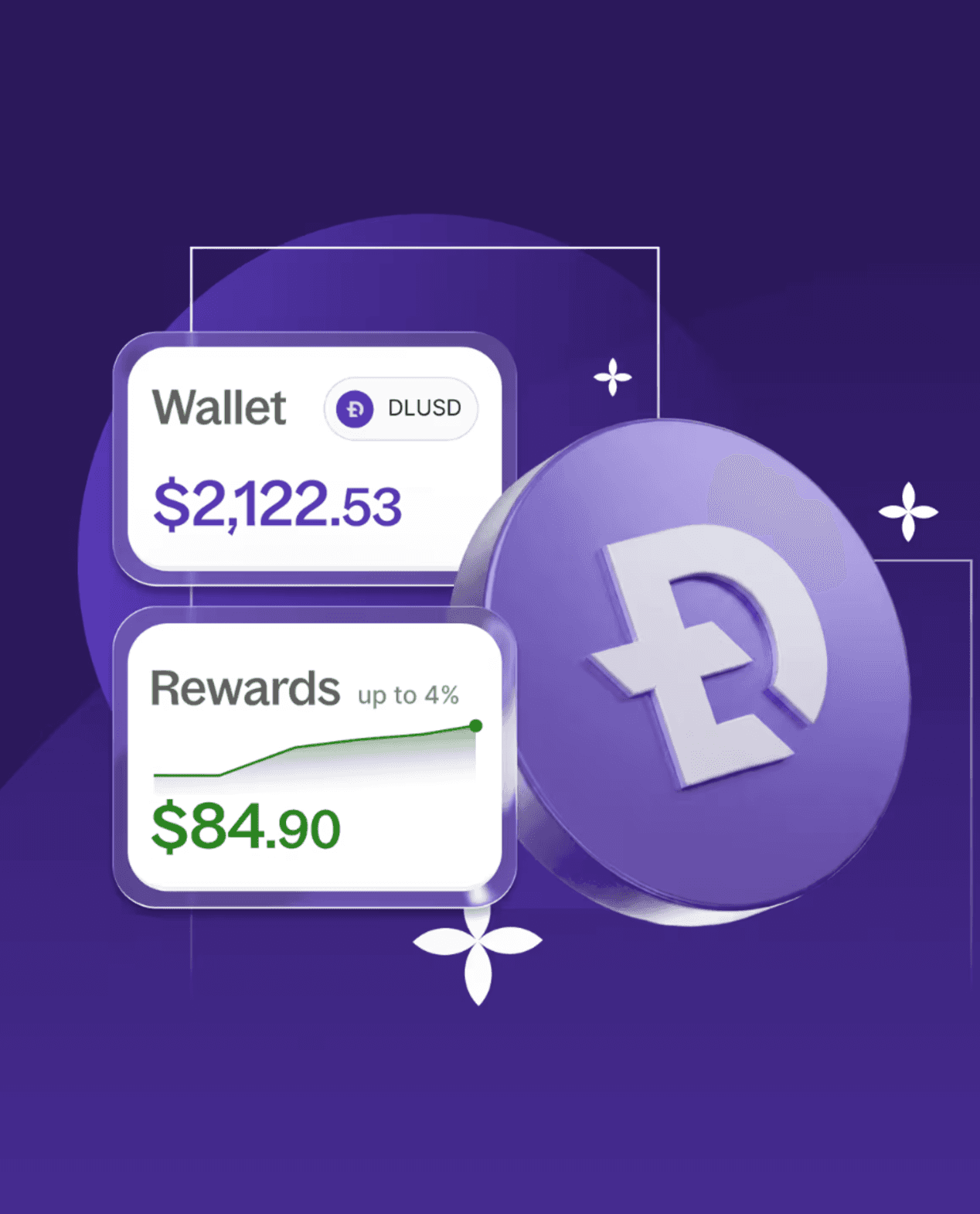
Stablecoin wallet: Deel’s stablecoin wallet lets contractors protect their earnings by holding a dollar-backed balance in DLUSD, Deel’s internal USD-equivalent instrument. The wallet also also comes with perks:
Earn rewards: Contractors can earn rewards on their balance inside Deel if eligible.
New Deel Card: Contractors with a stablecoin wallet on Deel can now spend their balances directly from our new Deel Card. Use it anywhere Visa is accepted, and earn monthly cashback while benefiting from purchase and travel protection.*
Book a demo with our expert team to learn more about how Deel can help your business manage stablecoin payments alongside fiat payments.
Deel Hire
Find, hire, and manage anyone, anywhere

FAQs
Why is stablecoin usage increasing?
Workers want dollar-backed pay, and businesses use stablecoins for payroll, supplier payments, and service fees. Clearer rules and new spending options, such as cards, also support growth.
What are the biggest stablecoin market trends in 2026?
Stablecoin payments grew 45% to $482B from January to September 2026. Card spend grew 10 times to $3.9B.
Why are stablecoins important for businesses?
Stablecoins give a company another payment rail for payroll, suppliers, and treasury work. Banks, payment providers, and large companies now build digital assets into their core systems.
What is the future of stablecoins?
Stablecoin use will likely keep growing as rules take effect, new currencies appear, and cards spread. Tokenized bank deposits will compete for some of the same use cases.
How can companies use stablecoins for payroll?
Where available, employees can opt in to receive part of their net salary in stablecoins, and the rest arrives in fiat as usual. Deel handles the conversion and settlement after payroll runs and allows contractors to hold a stablecoin balance.
Can contractors spend a stablecoin balance?
Yes, with a stablecoin card. The new Deel Card lets contractors spend their stablecoin balance.
*Stablecoin-related functionality, including balance functionality and reward programs, is powered by licensed third-party infrastructure partners and is subject to jurisdiction eligibility and partner approval. The Deel Card is issued by Lead Bank, Member FDIC, pursuant to a license from Visa. DLUSD is a USD-denominated digital balance and is not a bank account, demand deposit, or legal tender, and is not insured by the FDIC, FSCS, or any governmental insurance scheme.
Rewards and cashback are promotional incentives, not interest, yield, or investment returns; rates are variable and subject to change or discontinuation. Visa travel and protection benefits are provided by third-party insurers and are subject to specific terms, conditions, and coverage exclusions. Users and clients remain independently responsible for their own tax, legal, and local regulatory reporting obligations.
About the author
Joanne Lee is a content marketing professional with 7+ years of experience creating effective social, search, email, and blog content for companies ranging from start-ups to large corporations. She's passionate about finding creative ways to tell a purpose-driven story, staying active at the gym, and diversity and inclusion. At Deel, she specializes in writing about topics related to US payroll, PEO, and fintech.