Article
3 min read
How to Choose Continuous Feedback Software to Replace Annual Reviews
Global HR

Author
Ellen Simmonds
Last Update
November 06, 2026

Table of Contents
What is continuous feedback software?
How does continuous feedback compare with annual reviews?
Do you still need annual reviews if you use continuous feedback?
What features should continuous feedback software have?
How do you switch from annual reviews to continuous feedback?
How does Engage in Deel HR support continuous feedback?
Key takeaways
Continuous feedback software replaces the once-a-year review conversation with frequent check-ins, real-time feedback, and goal tracking, while still keeping a documented record for pay and promotion decisions.
Gallup found that when managers give weekly rather than annual feedback, employees are 2.7 times more likely to be engaged at work.
Engage in Deel HR supports continuous feedback with structured 1:1 check-ins in Slack, goals and OKRs linked to reviews, and automated review cycles, all connected to the employee data in Deel HR.
What is continuous feedback software?
Continuous feedback software is a performance management tool that helps managers and employees exchange feedback, hold check-ins, and track goals throughout the year instead of saving everything for an annual review. It gives every conversation a place to live, so feedback, agreed actions, and progress are documented as they happen.
Most continuous feedback tools combine four things: recurring 1:1 check-ins, ad hoc feedback between colleagues, goal or OKR tracking, and lighter formal reviews that draw on everything recorded during the year. Learn more about continuous performance management.
How does continuous feedback compare with annual reviews?
Continuous feedback gives employees guidance while the work is still happening, while annual reviews look back on a whole year at once. According to Gallup, nearly half of employees receive feedback from their manager a few times a year or less, and only 14% strongly agree their performance reviews inspire them to improve.
| Annual reviews | Continuous feedback | |
|---|---|---|
| Frequency | Once or twice a year | Weekly, biweekly, or monthly check-ins, plus ad hoc feedback |
| Focus | Past performance over the whole period | Current goals, progress, and next steps |
| Timing of feedback | Often months after the work happened | Close to the work it relates to |
| Documentation | One large form per cycle | A running record of check-ins, feedback, and goal updates |
| Manager effort | Concentrated in review season | Spread across the year in shorter conversations |
| Best suited to | Formal decisions on pay and promotion | Day-to-day development and course correction |
Gallup also found that when managers give weekly rather than annual feedback, employees are 5.2 times more likely to strongly agree they receive meaningful feedback, 3.2 times more likely to be motivated to do outstanding work, and 2.7 times more likely to be engaged.
Deel HR
Unlock your team's full potential
Do you still need annual reviews if you use continuous feedback?
Most organizations keep a lighter formal review alongside continuous feedback, because pay, promotion, and legal decisions still need a documented summary. Continuous feedback changes what that review is: a summary of conversations that already happened, not the first time an employee hears how they're doing.
When formal reviews are consistent with the frequent feedback an employee has heard all year, Gallup notes they become affirming and far less awkward. Gallup also suggests separating the pay conversation from the performance conversation, so each one gets the right focus.
A common hybrid model looks like this:
Weekly or biweekly: 15–30 minute 1:1 check-ins on goals, priorities, and recent work
Quarterly: goal or OKR reviews
Once or twice a year: a short formal review that summarizes the period and informs pay and promotion decisions
Gallup's research on meaningful manager conversations supports the short check-in: 15–30 minute conversations have more impact than 30–60 minute ones, as long as they happen regularly.
Free guide
Make every performance review a growth conversation
What features should continuous feedback software have?
The right continuous feedback software makes frequent conversations easy to hold, easy to document, and easy to use later in formal decisions. Use the criteria below to compare tools.
| Feature | Why it matters | What to look for |
|---|---|---|
| Structured 1:1 check-ins | Regular check-ins are the core of continuous feedback | Shared agendas, notes, and action items that carry over between meetings |
| Integration with daily tools | Feedback happens more often when it doesn't need another login | Check-ins and feedback inside Slack or Microsoft Teams |
| Goals and OKRs | Conversations need a shared reference point | Company, team, and individual goals with progress tracking |
| Ad hoc and peer feedback | Not all useful feedback comes from managers | Quick feedback between colleagues, with visibility settings |
| Formal review cycles | Pay and promotion decisions still need a documented summary | Reviews that pull in goals and check-in history, with calibration |
| Automation and reminders | Busy managers skip check-ins without prompts | Recurring schedules, reminders, and review triggers |
| HRIS connection | Feedback is more useful alongside job, team, and pay data | Native link to your HRIS, or a reliable integration |
| Reporting | HR needs to see whether check-ins are actually happening | Check-in frequency, goal progress, and review completion by team |
| Global support | Distributed teams work across time zones and languages | Asynchronous feedback, mobile access, and multi-country support |
How do you switch from annual reviews to continuous feedback?
Switch from annual reviews to continuous feedback in stages, and train managers before you change the process. Gallup found that organizations that replace annual reviews without enough training quickly discover their managers don't know how to talk to employees.
Assess your current process. Note what works today, such as a solid review form, and what doesn't, such as inconsistent goal setting.
Decide on a hybrid or full replacement. Most teams keep a lighter formal review for pay and promotion decisions.
Set the cadence. Choose check-in frequency, goal review timing, and when formal reviews happen.
Choose your software. Compare tools using the feature criteria above.
Train managers and employees. Cover how to run a short check-in, give specific feedback, and set goals.
Pilot with a few teams. Deel's guide to implementing continuous performance management recommends a pilot of at least three months.
Roll out and keep improving. Track check-in completion and ask employees and managers what to change. For a full overhaul, plan for 6–12 months from planning to company-wide rollout.
Deel HR
Help your team reach its fullest potential
How does Engage in Deel HR support continuous feedback?
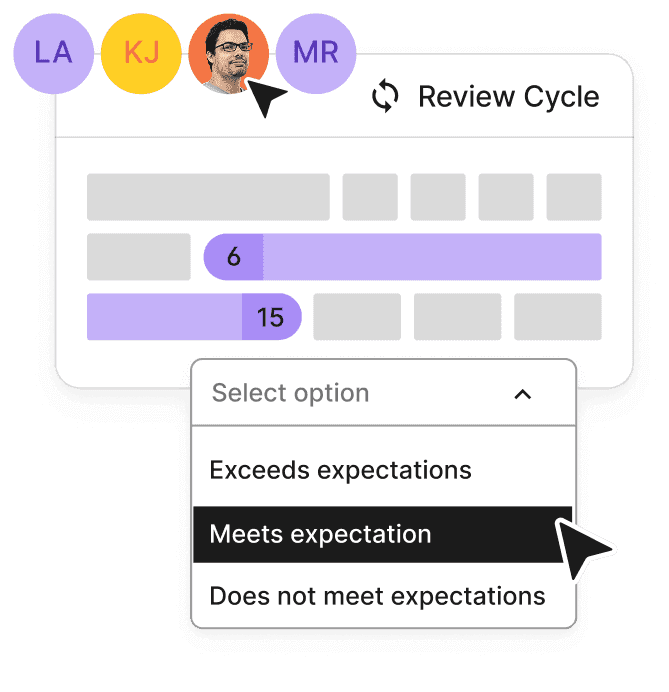
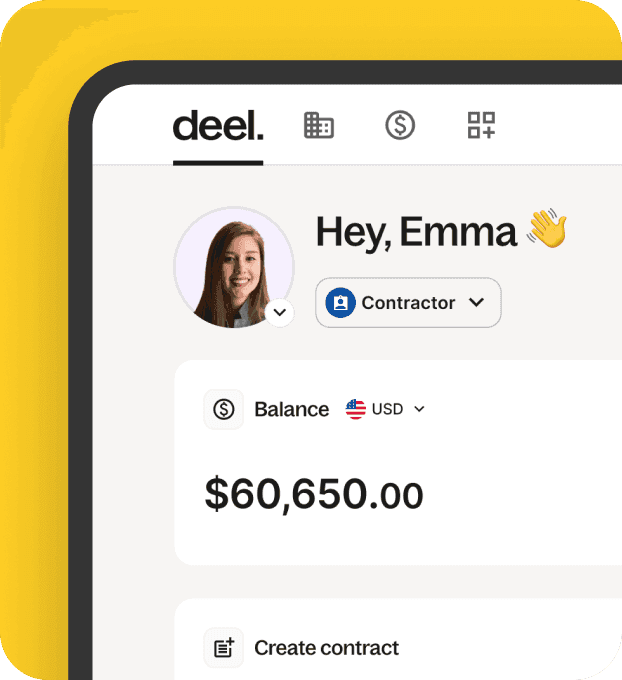
Engage, the talent management module in Deel HR, supports continuous feedback by connecting check-ins, goals, and formal reviews to the same employee record. Feedback given during the year is available when it's time for a review, so managers don't have to rebuild the story from memory.
Engage supports continuous feedback with:
Structured 1:1 check-ins in Slack. The one-on-ones plug-in lets managers and employees share agendas and collaborate on discussion points for weekly 1:1s.
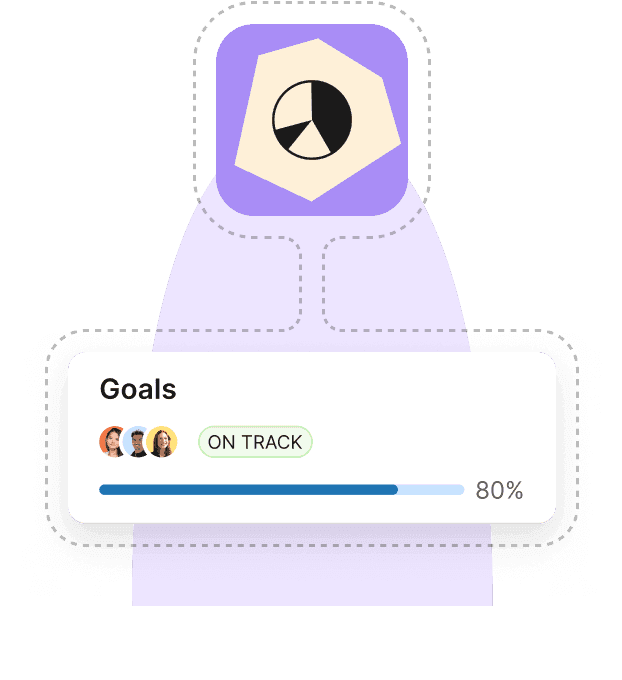
Goals and OKRs linked to reviews. Define company, team, and individual goals, track progress in real time, and tie goals automatically to performance reviews.
Flexible review cycles. Run 360-degree, peer, self, and manager reviews, with cycles triggered by events such as a start date and automated reminders for reviewers.
Feedback support. An AI feedback helper improves written feedback, and review summaries support end-of-cycle conversations.
Integrations with daily tools. Engage connects with tools like Google Workspace and Microsoft Teams.
Insights across teams. Reporting covers goal progress, skills, and competency profiles.
Live Demo
Get a live walkthrough of the Deel platform
FAQs
What is continuous feedback?
Continuous feedback is the practice of giving employees regular, timely feedback throughout the year, through check-ins and in-the-moment conversations, instead of only in an annual review. It focuses on current goals and next steps rather than a backward-looking rating.
Is continuous feedback better than annual reviews?
Continuous feedback is better for engagement and development, while a lighter formal review is still useful for pay and promotion decisions. Gallup found that employees who get weekly rather than annual feedback are 2.7 times more likely to be engaged, which is why most organizations combine the two.
How often should managers give feedback?
Aim for a short check-in every week or two. Gallup's research shows 15–30 minute conversations have more impact than longer ones when they happen regularly.
What should a continuous feedback check-in cover?
A good check-in covers recent work and recognition, current goals and priorities, blockers, and agreed next steps. Gallup's research on meaningful manager conversations identifies recognition, collaboration, goals and priorities, and employee strengths as the topics employees value most.
Can continuous feedback work for remote teams?
Yes. Continuous feedback suits remote and distributed teams because check-ins and feedback can happen asynchronously in tools like Slack or Microsoft Teams, across time zones.
How long does it take to move from annual reviews to continuous feedback?
A full move usually takes 6–12 months, including planning, a pilot of at least three months, manager training, and company-wide rollout.
About the author
Ellen Simmonds is a content marketing manager with a decade of experience in tech, leadership, startups, and the creative industries. A long-time remote worker, she's passionate about WFH productivity hacks and fostering company culture across globally distributed teams. She also writes and speaks on the ethical implementation of AI, advocating for transparency, fairness, and human oversight in emerging technologies to ensure innovation benefits both businesses and society.