
Article
12 min read
The Ultimate Guide to Benefits Tools that Boost Hiring and Retention
Global HR

Author
Shannon Ongaro
Last Update
December 04, 2025
Table of Contents
Deel's role in simplifying global benefits and hiring
Comprehensive benefits platforms for streamlined management
Personalized wellness and flexible benefits programs
AI-powered onboarding and employee engagement tools
Recognition and continuous feedback solutions
Learning and development platforms to support retention
Key strategies to choose and implement benefits tools
Using data analytics to optimize benefits and retention
Fostering a culture of appreciation and work-life balance
Enhancing career growth opportunities through benefits tools
Simplify benefits admin and recruitment with Deel

Explore this topic with AI
Key takeaways
-
Modern benefits tools unify HR workflows, reduce admin burden, and create smoother employee experiences that directly support hiring and retention.
-
Personalization, AI-driven onboarding, continuous recognition, and robust L&D platforms are the biggest levers for boosting engagement and lowering turnover.
-
Deel simplifies global hiring and benefits by combining payroll, compliance, and localized benefits in one platform, helping teams scale confidently in 150+ countries.
Modern organizations face intense competition for talent, making strategic benefits management essential for both recruitment and retention. The right benefits tools streamline administration, personalize employee experiences, and deliver measurable improvements in engagement and loyalty.
This guide examines the platforms and technologies that help companies attract top candidates while keeping their best people engaged and committed.
From comprehensive HR systems to AI-powered onboarding and recognition solutions, we'll explore which tools deliver the strongest results and how to implement them effectively across distributed and growing teams.
Deel's role in simplifying global benefits and hiring
Managing benefits and hiring across borders traditionally requires juggling multiple vendors, navigating complex compliance requirements, and coordinating disparate systems. Deel eliminates this complexity by integrating payroll, compliance, and benefits administration into a single platform that operates seamlessly across more than 150 countries.
Deel's platform combines deep legal expertise with end-to-end automation, enabling companies to hire, onboard, and manage benefits for employees anywhere in the world. The unified system reduces administrative overhead, minimizes compliance risk, and provides real-time visibility into workforce costs and benefits utilization.
For high-growth companies building distributed teams, this consolidation transforms a fragmented, error-prone process into a streamlined operation that scales efficiently.
Deel HR
Comprehensive benefits platforms for streamlined management
A Human Capital Management (HCM) platform is an integrated system that unifies payroll, benefits administration, time tracking, performance management, and workforce analytics into a single solution. These platforms eliminate data silos, reduce manual work, and provide the comprehensive reporting capabilities that modern HR teams need to make informed decisions about their workforce.
Organizations managing benefits across multiple locations or dealing with rapid growth benefit significantly from platforms that automate routine tasks while maintaining accuracy and compliance. Examples include:
Workday integrates HR, payroll, benefits, and financial management in a cloud platform that scales with organizational needs, offering particularly strong analytics capabilities for large enterprises.
Oracle PeopleSoft provides scalable HR management for large organizations with complex requirements, offering deep customization options and robust security features.
Paylocity unifies payroll, compliance, and benefits, reducing errors and improving HR efficiency through automation and employee self-service tools.
For companies with local or global operations, Deel's HR platform addresses the unique challenges of managing benefits across different regulatory environments, currencies, and cultural expectations. The platform handles local compliance requirements automatically while providing a consistent experience for both administrators and employees, regardless of location.
| Platform | Best For | Key Strengths | Global Reach |
|---|---|---|---|
| Workday | Large enterprises | Advanced analytics, financial integration | Strong international presence |
| Oracle PeopleSoft | Complex organizations | Deep customization, security | Extensive global capabilities |
| Paylocity | Mid-sized companies | User experience, automation | Primarily US-focused |
| Deel | Local or global teams of all sizes | Unified global HR, Payroll, and Compliance platform for every way companies manage and pay teams. | 150+ countries |
When evaluating comprehensive platforms, prioritize solutions that integrate seamlessly with your existing technology stack, offer robust reporting capabilities, and can scale as your organization grows. The benefits of HR automation extend beyond efficiency gains to include improved data accuracy, better employee experiences, and more strategic use of HR team time.
Leading Global Hiring Platform
Personalized wellness and flexible benefits programs
Personalized benefits programs are customized offerings that allow employees to choose benefits relevant to their needs and life stages, recognizing that a one-size-fits-all approach no longer meets the expectations of today's diverse workforce. When employees can tailor their benefits packages, satisfaction and perceived value increase significantly.
Whether someone prioritizes gym memberships, meditation apps, or ergonomic home office equipment, giving them autonomy over wellness spending creates stronger engagement than prescriptive programs.
Flexible work models represent another critical dimension of personalized benefits. A hybrid approach allows teams to balance in-person collaboration with remote work flexibility, directly addressing employee preferences for work-life balance while maintaining productivity and team cohesion.
This flexibility has become a decisive factor in both recruitment and retention, with candidates increasingly prioritizing employers who offer location and schedule autonomy.
Effective flexible benefit options include:
- Mental health support through Employee Assistance Programs (EAPs), therapy coverage, and wellness apps
- Compressed work weeks or flexible daily schedules that accommodate personal obligations
- Remote work options with home office stipends and technology support
- Wellness stipends for fitness, nutrition, or stress management activities
- Personalized insurance selections allowing employees to choose coverage levels and types that match their family situations
The key to successful personalization lies in offering meaningful choices without creating overwhelming complexity. Platforms that guide employees through benefit selection while providing decision support tools help ensure people make informed choices that truly serve their needs.
AI-powered onboarding and employee engagement tools
AI-powered onboarding encompasses digital processes that use machine learning to personalize and automate the onboarding experience, offering tailored training and regular check-ins that adapt to each new hire's role, experience level, and learning pace. These systems transform what has traditionally been a generic, paperwork-heavy process into an engaging, efficient experience that accelerates productivity.
Technology can enhance employee experience and reduce HR workload simultaneously. The system personalizes training content based on role requirements and individual progress, ensuring new hires receive relevant information at the right time without overwhelming them.
When evaluating AI-powered onboarding and engagement tools, look for these essential features:
- Personalized learning paths that adapt to individual roles, prior experience, and learning speed
- Automated document management that handles paperwork digitally while ensuring compliance
- Engagement feedback tools that check in regularly and flag potential issues before they escalate
- Ongoing performance nudges that reinforce learning and encourage application of new skills
The most effective systems integrate with your broader HR technology stack, ensuring that onboarding data flows seamlessly into performance management, learning and development, and benefits administration systems. This integration creates a continuous employee experience rather than disconnected touchpoints.
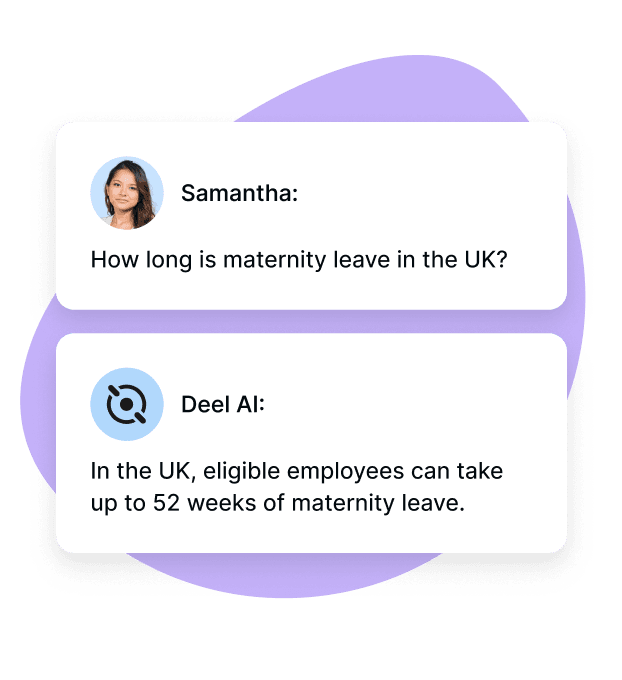
Deel AI
Recognition and continuous feedback solutions
Automated recognition tools are platforms that enable real-time, ongoing employee acknowledgment without manual HR intervention, making appreciation a natural part of daily work rather than an annual formality. These systems democratize recognition by allowing peers, managers, and even customers to acknowledge contributions immediately when they happen.
The impact of structured recognition proves substantial. Employees who receive frequent recognition are 45% less likely to leave within two years, making recognition platforms among the most cost-effective retention investments available.
Modern recognition platforms support various acknowledgment types that address different aspects of employee contribution.
Peer-to-peer badges allow colleagues to recognize each other's support and collaboration, building team cohesion and making positive interactions visible across the organization. Instant awards tied to company values reinforce desired behaviors and cultural norms, helping employees understand what excellence looks like in practice.
Manager-to-employee recognition ensures that formal leadership acknowledges achievements, providing the validation that employees consistently cite as important to their engagement.
Effective feedback mechanisms complement recognition by creating channels for continuous improvement and dialogue:
- Engagement surveys that measure overall satisfaction and identify areas needing attention
- Pulse polls that quickly gather input on specific initiatives or decisions
- Anonymous suggestion channels that surface concerns and ideas employees might hesitate to share openly
- Regular check-ins that structure ongoing conversations between managers and team members
The combination of recognition and feedback creates a culture where employees feel both valued and heard, two factors that research links to retention and performance.
Platform Tour
Transform employee learning

Learning and development platforms to support retention
A learning and development platform is a digital system for delivering, tracking, and managing employee education, training, and skills growth, serving as the foundation for career development and internal mobility. These platforms have evolved from simple course libraries into sophisticated ecosystems that support personalized learning journeys aligned with both organizational needs and individual career aspirations.
The retention impact of effective L&D programs is significant: companies with a strong learning culture have a 57% retention rate, compared to 27% for those with a moderate learning culture. Employees who see a clear path for growth within their current organization are far less likely to seek opportunities elsewhere, making L&D investment a direct contributor to workforce stability.
Modern L&D platforms offer capabilities that address diverse learning needs and organizational goals:
- Customizable course libraries that combine off-the-shelf content with company-specific training materials
- Training progress tracking that provides visibility for both employees and managers into skill development
- Mentorship integration that connects learners with experienced colleagues for guided development
- Career path visualization tools that show employees how skills connect to advancement opportunities within the organization
- Skills gap analysis that identifies development needs at both individual and organizational levels
- Social learning features that enable peer-to-peer knowledge sharing and collaborative problem-solving
The most effective implementations tie learning directly to career progression and compensation, making the connection between development and advancement explicit and transparent. When employees understand that investing time in learning translates to concrete opportunities, participation and engagement increase substantially.
Talent management software that integrates L&D with performance management and succession planning creates a comprehensive system for developing and retaining high performers throughout their tenure with the organization.
Career Management

Key strategies to choose and implement benefits tools
Selecting and implementing benefits tools requires a structured approach that balances employee needs, organizational priorities, and practical constraints. Following a systematic process reduces implementation risk while maximizing the likelihood that new tools will drive meaningful improvements in recruitment and retention.
Start by assessing employee needs through surveys, focus groups, or one-on-one conversations. Understanding what your workforce values prevents investing in tools or benefits that look impressive but don't address real pain points. Different employee segments often have distinct priorities—early-career employees might prioritize student loan assistance and career development, while those with families may value comprehensive health coverage and flexible schedules.
Match tool capabilities to organizational priorities by considering your company's size, budget, existing technology stack, and strategic goals. A startup with 50 employees needs different solutions than an enterprise with 5,000 workers across multiple countries. Evaluate whether tools integrate with your current systems or require replacing existing platforms. Understanding why you need an HRIS helps clarify which capabilities should be core platform features versus point solutions.
Personalize offerings to diverse employee segments rather than assuming one program serves all needs equally well. Segmentation might be based on location, role, career stage, or personal circumstances. The goal is to ensure every employee finds value in your benefits package, even if different people engage with different components.
Implement continuous measurement and adapt based on engagement data. Track which benefits employees actually use, monitor satisfaction scores, and gather feedback regularly. Be prepared to adjust offerings as needs evolve—benefits that worked well five years ago may no longer align with current workforce expectations.
Throughout implementation, prioritize change management and communication. Even excellent tools fail if employees don't understand how to use them or why they matter. Develop clear messaging about new benefits and tools, provide training and support during rollout, and create feedback channels so employees can share questions and concerns. Leaders and managers should model engagement with new systems to signal their importance and normalize adoption.
Benefits Administration
Using data analytics to optimize benefits and retention
Data analytics in HR is the process of collecting and analyzing employee data to improve decision-making regarding benefits and retention, transforming intuition-based choices into evidence-driven strategies. Modern analytics tools surface patterns and insights that would be impossible to identify manually, enabling proactive intervention before problems escalate.
Common analytics metrics that drive benefits and retention decisions include:
- Benefits adoption rates showing which offerings employees actively use versus those that remain underutilized
- Engagement scores measuring overall satisfaction and identifying teams or locations with concerning trends
- Turnover trends revealing patterns in who leaves, when they leave, and potential contributing factors
- Absenteeism rates indicating potential issues with burnout, disengagement, or inadequate support
- Feedback response rates and sentiment analysis providing qualitative context for quantitative trends
HR reporting capabilities enable leaders to track these metrics over time, compare performance across teams or locations, and measure the impact of interventions. The most sophisticated analytics platforms use predictive modeling to identify employees at risk of leaving, allowing proactive retention efforts before someone has already decided to depart.
Effective analytics implementation requires clean data, clear metric definitions, and regular review cycles. Establish baselines, set targets for improvement, and create accountability for acting on insights rather than simply collecting data.
Fostering a culture of appreciation and work-life balance
Building a culture where appreciation and work-life balance are embedded in daily operations rather than occasional initiatives creates the foundation for sustainable retention. Technology enables these cultural elements at scale, but success ultimately depends on genuine organizational commitment to employee well-being.
Frequent recognition fosters belonging and pride, essential elements for retention that extend beyond compensation and formal benefits. When employees feel genuinely appreciated for their contributions, they develop emotional connections to their work and colleagues that make them less likely to leave for marginal increases in pay elsewhere.
Flexible working practices represent another critical cultural dimension. Employees value flexible arrangements like remote work for better work-life balance, and organizations that resist flexibility increasingly struggle to compete for talent. Benefits technologies can support flexible work by providing tools for remote collaboration, tracking work outcomes rather than hours, and ensuring distributed employees have equal access to resources and opportunities.
Initiatives that demonstrate commitment to appreciation and work-life balance include:
| Initiative | Implementation | Impact |
|---|---|---|
| Hybrid/remote work | Location flexibility with clear collaboration expectations | Improved work-life balance, expanded talent pool |
| Wellness stipends | Monthly or annual allowances for health and wellness activities | Personalized wellbeing support, increased satisfaction |
| Mental health resources | EAP programs, therapy coverage, stress management tools | Reduced burnout, better overall health |
| Volunteer time off | Paid days for community service and charitable activities | Enhanced purpose and engagement |
| Flexible schedules | Core hours with autonomy over start/end times | Better accommodation of personal obligations |
The most effective programs combine technology enablement with manager training and leadership modeling. Tools facilitate these initiatives, but managers who actively encourage their use and leaders who demonstrate their own commitment create the permission and expectation for employees to take advantage of what's offered.

Case Study
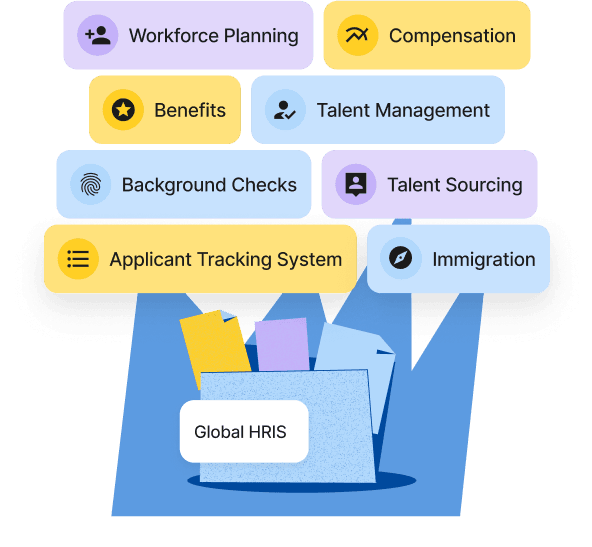
We couldn't find a global HRIS. So we built our own.
Enhancing career growth opportunities through benefits tools
Clear career progression, mentorship, and skills development tools are crucial for retaining ambitious, high-performing employees who will leave if they don't see opportunities for advancement. Benefits packages should differ by employee life stage to foster loyalty and retention, recognizing that career development needs evolve as people progress through their professional journeys.
Career pathing tools are solutions that map out advancement opportunities and required competencies within an organization, making the often-opaque process of internal mobility transparent and actionable. These platforms show employees what roles they might grow into, what skills they need to develop to qualify, and what timeline might be realistic for progression.
Integrating growth-oriented benefits into your overall talent strategy requires a systematic approach:
- Implement role-based learning and development programs that provide relevant skills training aligned with career trajectories
- Establish formal mentoring programs that connect less experienced employees with senior colleagues who can provide guidance and advocacy
- Create internal mobility tracking systems that surface opportunities before external recruiting begins, giving current employees first consideration for new roles
- Develop succession planning processes that identify high-potential employees and prepare them for leadership roles
HRMS platforms that integrate these components create a comprehensive view of each employee's development journey, enabling managers and HR to provide coordinated support rather than fragmented initiatives.
The most effective organizations tie career development explicitly to their benefits and compensation structures, making clear that investing in growth leads to concrete advancement. When employees see colleagues progressing through internal development rather than needing to leave for better opportunities, it reinforces the value of staying and growing within the organization.
Simplify benefits admin and recruitment with Deel
Ready to see how Deel can unify global hiring, payroll, compliance, and benefits to boost recruiting and retention across your organization?
With coverage in 150+ countries, EOR services, and automation that reduces administrative overhead while improving visibility, Deel helps distributed teams scale efficiently and stay compliant. Book a demo to explore how Deel can support your goals and deliver results for your team.
FAQs
What key features should I look for in benefits and retention tools?
Look for tools that offer predictive analytics, real-time insights, personalized feedback, automated surveys, skill gap measurement, and seamless HR system integrations to best support employee engagement and retention.
What types of benefits have the strongest impact on employee loyalty?
The most impactful benefits include competitive compensation, robust health plans, mental health support, flexible working options, career development opportunities, and recognition programs.
How can organizations implement an effective retention strategy?
An effective retention strategy starts with clear communication, decision rights, frequent feedback, regular measurement of turnover and engagement, and ongoing program adjustment.
What business advantages come from improved employee retention?
Improved retention leads to lower hiring costs, higher productivity, better morale, enhanced customer experience, and reduced training expenses for organizations.
Shannon Ongaro is a content marketing manager and trained journalist with over a decade of experience producing content that supports franchisees, small businesses, and global enterprises. Over the years, she’s covered topics such as payroll, HR tech, workplace culture, and more. At Deel, Shannon specializes in thought leadership and global payroll content.


