Article
6 min read
What HR leaders are prioritizing in 2026 (and what they're leaving behind)
Global HR

Author
Paula Machado
Last Update
June 08, 2026
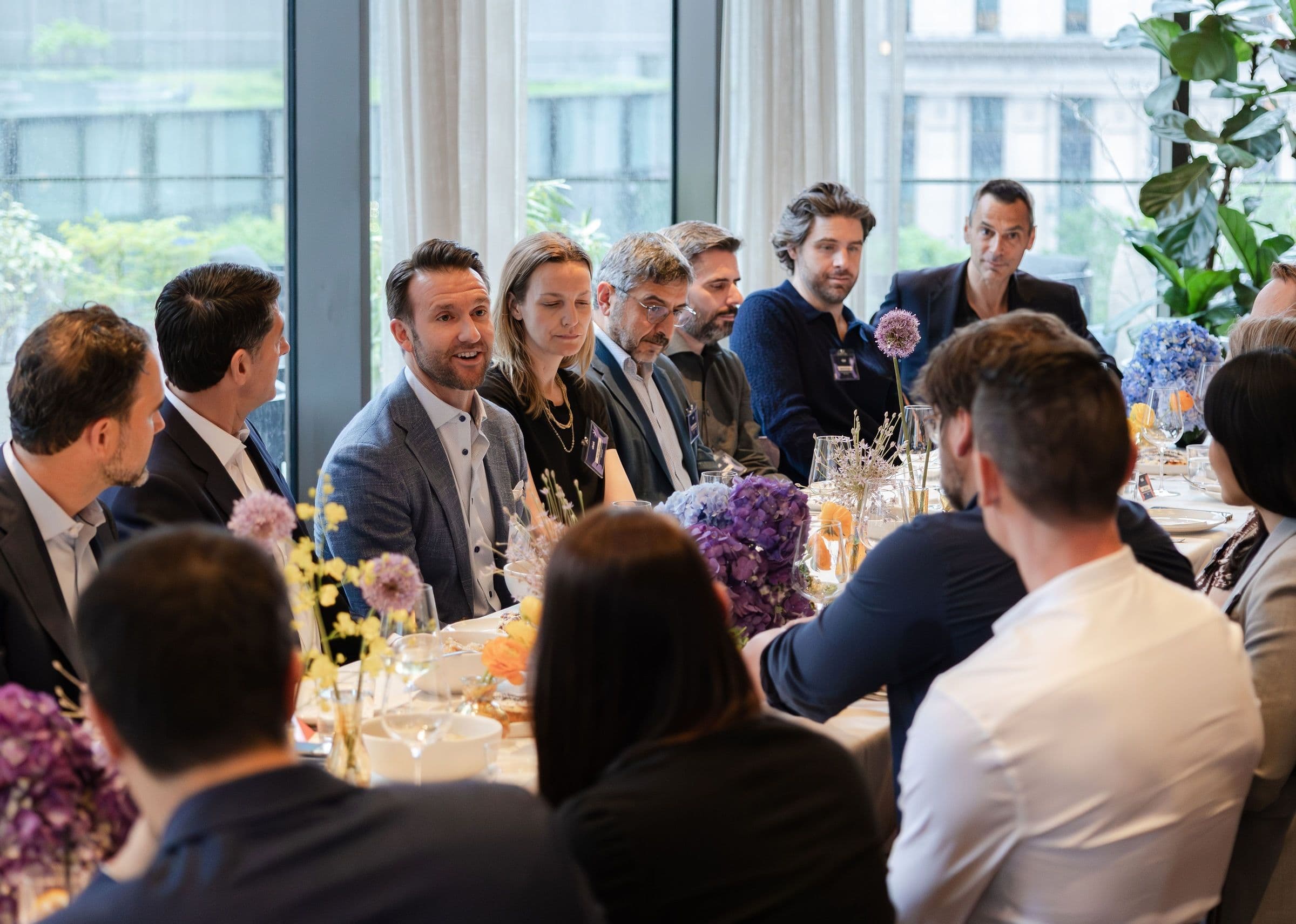
Table of Contents
What they're leaving behind: reacting to talent instead of anticipating it
What they're leaving behind: budgeting by country
What they're leaving behind: deploying AI before fixing data fragmentation
What they're leaving behind: separating company culture from global strategy
Why it matters who convenes the conversation
There are HR conferences where everyone talks about the same trends. And there are dinners where no one has time for that.
For years, Deel has hosted private gatherings for HR and finance leaders in cities around the world: no product pitches, no decks, no visible corporate agenda. The premise is simple: bring together the people who actually make decisions about global teams, create the conditions for honest conversation, and listen.
In 2026, what we heard in those rooms points in a very clear direction.
The most advanced leaders are leaving behind reactive management, country-by-country budgets, and fragmented data. They're prioritizing anticipation, unified visibility, and evidence-based decisions. And data from Deel's Global Hiring Report 2025—based on more than one million real contracts across 150+ countries—confirms that this transformation is already happening at scale. Today, more than 40,000 companies manage their global teams through Deel, with a presence in 104 countries.
Here's what emerges when CHROs, CFOs, and HR directors from companies like LVMH, Air Liquide, PwC, and BIC sit down to talk without anyone selling them anything.
What they're leaving behind: reacting to talent instead of anticipating it
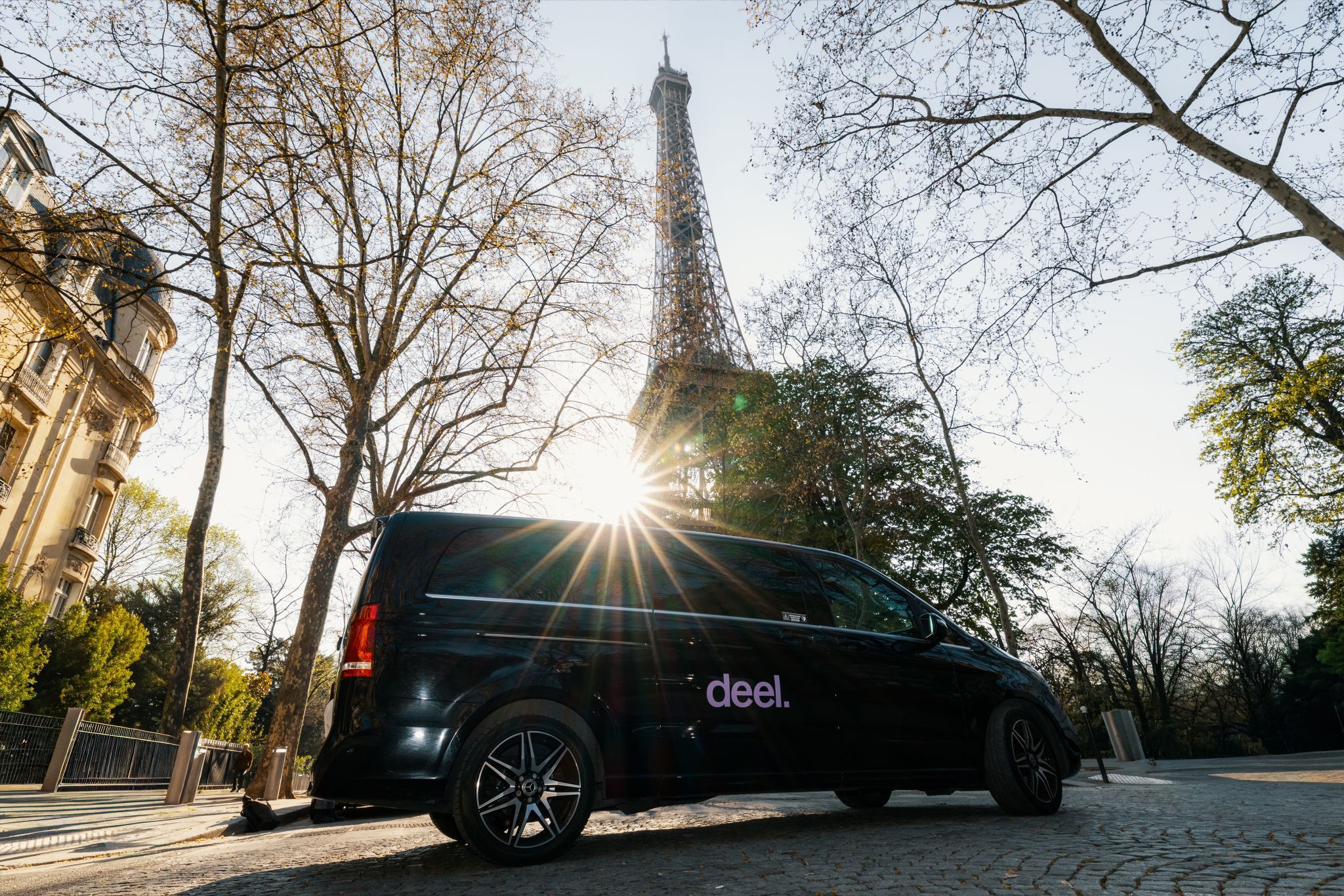
In March 2026, Deel celebrated its seventh anniversary at the Eiffel Tower. Fifty-nine executives from companies like LVMH, Air Liquide, Kering, PwC, Club Med, and BIC gathered in Paris for a night that turned into a masterclass on team leadership.
The keynote was delivered by Fabien Galthié, head coach of the French national rugby team, who showed how he uses data and predictive analytics to anticipate his team's performance. What seemed like a talk about sports turned into the most intense discussion of the night. The HR leaders in the room recognized the same pattern in their own organizations: the companies that manage talent best don't react to problems—they anticipate them.
The data backs up this urgency. According to Deel's Global Hiring Report 2025, the best-funded startups—those that raised more than $100M—are expanding globally earlier than ever, and not to cut costs: they're doing it to access specialized talent in markets like the United Kingdom, Canada, and Germany. At the same time, in Latin America, salaries for operational roles grew by more than 200% in some markets, while in mature markets growth is concentrated in leadership and technical specialization.
The uncomfortable question hanging in the Paris room was: how many companies have the infrastructure to anticipate those shifts before they become a talent crisis?
What they're prioritizing: predictive workforce models, 12–18 month headcount planning, and data that can anticipate turnover and talent gaps before they become urgent.
What they're leaving behind: budgeting by country
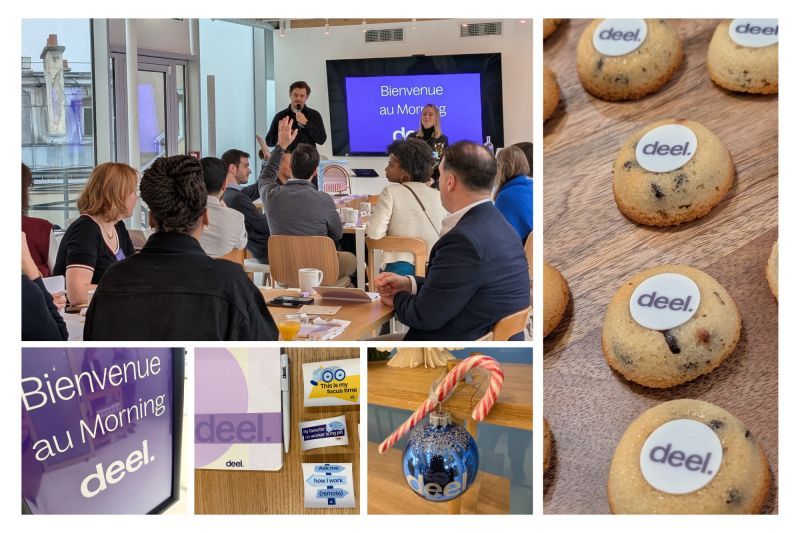
In Paris, the Morning Deel format has been running for months as intimate breakfasts—no slides, no pitch—where HR and finance leaders talk about their real problems. The first edition tackled a topic few say out loud: how to build a reliable HR budget for 2026 in a volatile environment.
What emerged wasn't technology or regulation. It was a mental model.
The teams that navigated budget uncertainty best had stopped budgeting by country and started budgeting by worker type. The distinction matters because cost variables change drastically depending on whether we're talking about an employee under an EOR (Employer of Record) in Germany, an independent contractor in Brazil, or a relocated worker in Singapore. Companies that rolled those categories into a single budget line were the ones finding the nastiest surprises mid-year.
The Global Hiring Report 2025 illustrates exactly why this fragmentation gets expensive. In Argentina, 84.6% of contractors choose to be paid in US dollars instead of local currency. In Brazil, that figure is 40%; in Chile, 32%. A budget built around local currencies—without accounting for real payment preferences or the company's FX exposure—is a budget born with a built-in margin of error.
What they're prioritizing: budgets structured by worker type, real-time cost visibility, and planning scenarios that reflect the true composition of the global workforce, including currency exposure.
What they're leaving behind: deploying AI before fixing data fragmentation
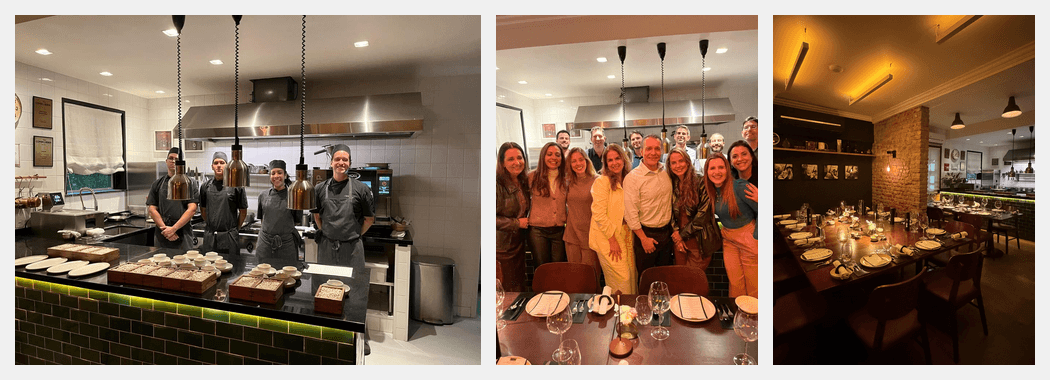
In São Paulo in May 2026, HR leaders and CFOs from multinationals with more than 2,000 employees met to discuss the real challenges of operating in Brazil. The conversation quickly shifted to a topic that keeps coming up in almost every market: artificial intelligence in HR.
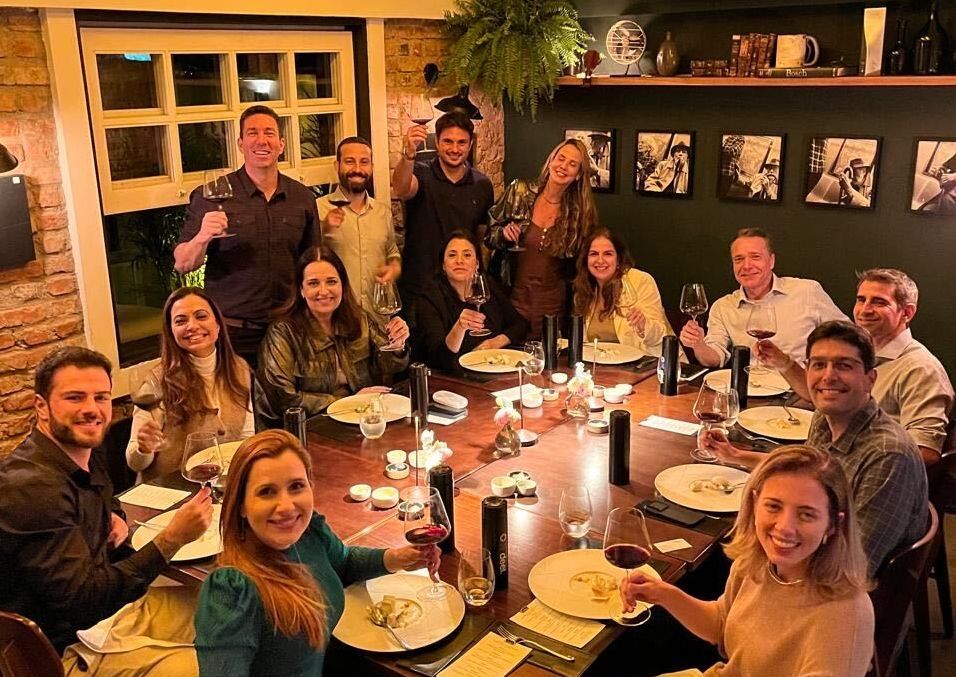
The most repeated conclusion of the night wasn't about which tools to adopt, but about what to fix first. Before asking what AI can do for HR teams, you have to ask how reliable the information it will run on is. AI doesn't fix data fragmentation. It amplifies it.
The numbers from the Global Hiring Report confirm the pressure is real. The AI trainer role grew 283% globally in 2025 and already covers tens of thousands of workers across 300+ organizations. In Latin America the growth was even more explosive: Colombia (+745%), Argentina (+724%), Brazil (+642%), and Mexico (+408%). With more than {{CONTRACTORS_USING_DEEL}} active contractors on Deel's platform, the patterns we see are consistent: data fragmentation is the most common roadblock before any AI implementation in HR.
A company that shows up to that conversation with fragmented data and disconnected systems isn't ready to benefit from AI. It's primed for AI to scale its existing problems.
What they're prioritizing: consolidating workforce data into a single source before rolling out AI tools, and evaluating vendors by the quality of their data infrastructure—not just their features.
What they're leaving behind: separating company culture from global strategy
London: the Deel Cup at the Emirates Stadium
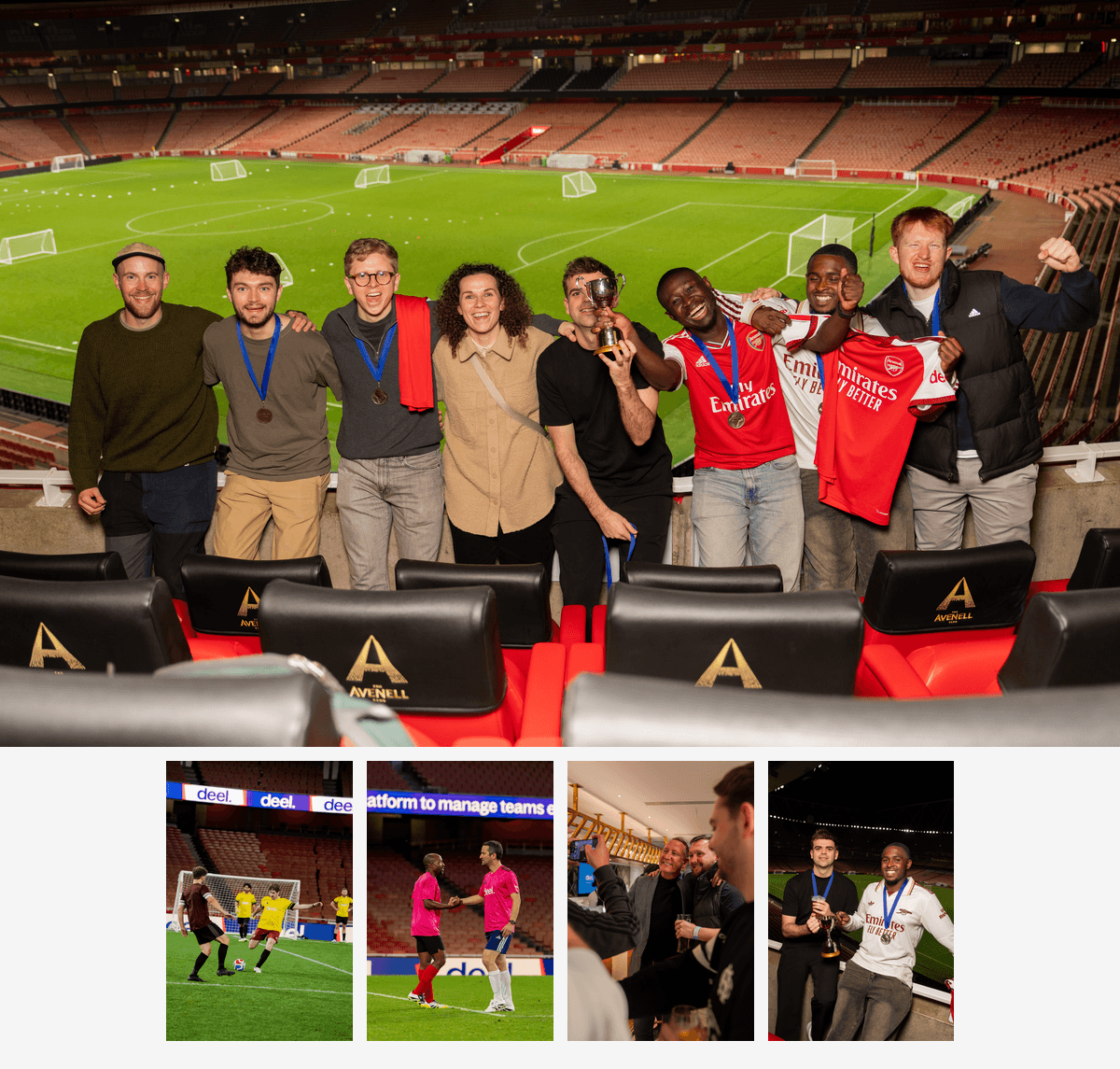
Not all important conversations happen around a conference table.
In London, Deel hosted the Deel Cup: a five-a-side football tournament played on the pitch at the Emirates Stadium, home of Arsenal FC, as part of the multi-year strategic partnership between Deel and the club. The event brought together professionals from across London's tech and corporate community, with a special appearance by Arsenal legend Ray Parlour and a trophy ceremony that no one there will soon forget.
What looked like a sports event was, in reality, one of the most effective community-building exercises of the year. The companies that best attract and retain global talent aren't necessarily the ones that pay the most. They're the ones that create belonging. And belonging isn't built in a 30-minute onboarding or a well-written benefits policy. It's built in shared moments, inside and outside the office, in any city in the world.
For HR leaders managing distributed teams across multiple countries, this is one of 2026's most underestimated challenges: how to maintain cultural cohesion in organizations that no longer have a clear geographic center.
New York: the Policy Salon with Paul Ryan
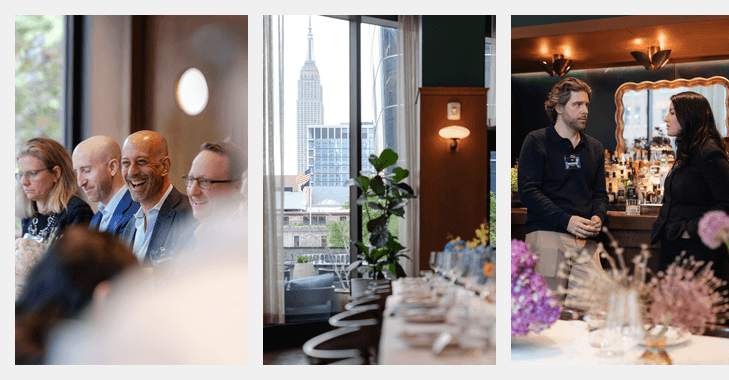
In New York, Deel went beyond traditional networking with an intimate Policy Salon that brought together business leaders with former Speaker of the U.S. House of Representatives, Paul Ryan. No slides. No commercial agenda. Just a high-level conversation about the regulatory and public policy landscape that's redefining how companies hire, pay, and manage teams at global scale.

When the regulatory context shifts, companies already having those conversations have an edge over those that react after the fact. New York's Policy Salon was an example of what it means to prepare for that environment before the decisions are already made.
For HR and finance leaders managing distributed teams across multiple countries, this is one of 2026's most underestimated challenges: how to stay a step ahead in a global regulatory environment that won't wait.
What they're prioritizing: deliberate community-building strategies for global teams, conversations that connect public policy with business decisions, and partnerships that position the company as a place worth belonging to.
Why it matters who convenes the conversation
Deel doesn't host these gatherings to sell. It hosts them because the best decisions about global teams get made when the right leaders are in the same room, with time to think out loud.
What emerges from those spaces—anticipation over reaction, visibility over fragmentation, structure over improvisation—isn't just what the best HR leaders are prioritizing in 2026. It's what the market is already demanding, and what the data from a million real contracts confirms.
If you lead HR or finance at a company operating in more than one country, these spaces are for you too.
Or download the full Global Hiring Report 2025 to explore the data for your region: Download the report →
FAQs
What type of companies attend Deel events?
These gatherings are designed for HR and finance leaders from mid-to-large scale companies managing teams across more than one country. The most common profiles include CHROs, CFOs, HR Directors, and global operations leaders.
Are there product presentations at these events?
No. The format is deliberately designed without slides or commercial pitches. These are peer-to-peer exchange spaces, facilitated by Deel but centered on conversations between attendees.
How can I receive an invitation?
The gatherings are by invitation only. If you're interested in joining future editions, you can reach out to the team directly at https://www.deel.com/events/
In which cities does Deel organize these events?
Events currently take place in cities like Paris and São Paulo, with new editions launching across more markets throughout the year.
Where can I access the full Global Hiring Report?
The full report, with data by region, role, and contract type, is available for free download here.
Paula lidera el marketing de Deel en LATAM. Con más de 10 años de experiencia en startups, ha dirigido proyectos de Inbound Marketing y Inside Sales para más de 50 empresas. Defensora del trabajo remoto y flexible, cree que este rescata la pasión en las rutinas, conectando el mundo laboral. En su tiempo libre, la puedes encontrar practicando kitesurf en el mar.